-
E-mail
3191390964@qq.com
-
Phone
15231713135
-
Address
No. 106 Xuefu Street, Cangzhou City, Hebei Province
Product Categories
Hebei Zhongke Beigong Experimental Instrument Co., Ltd
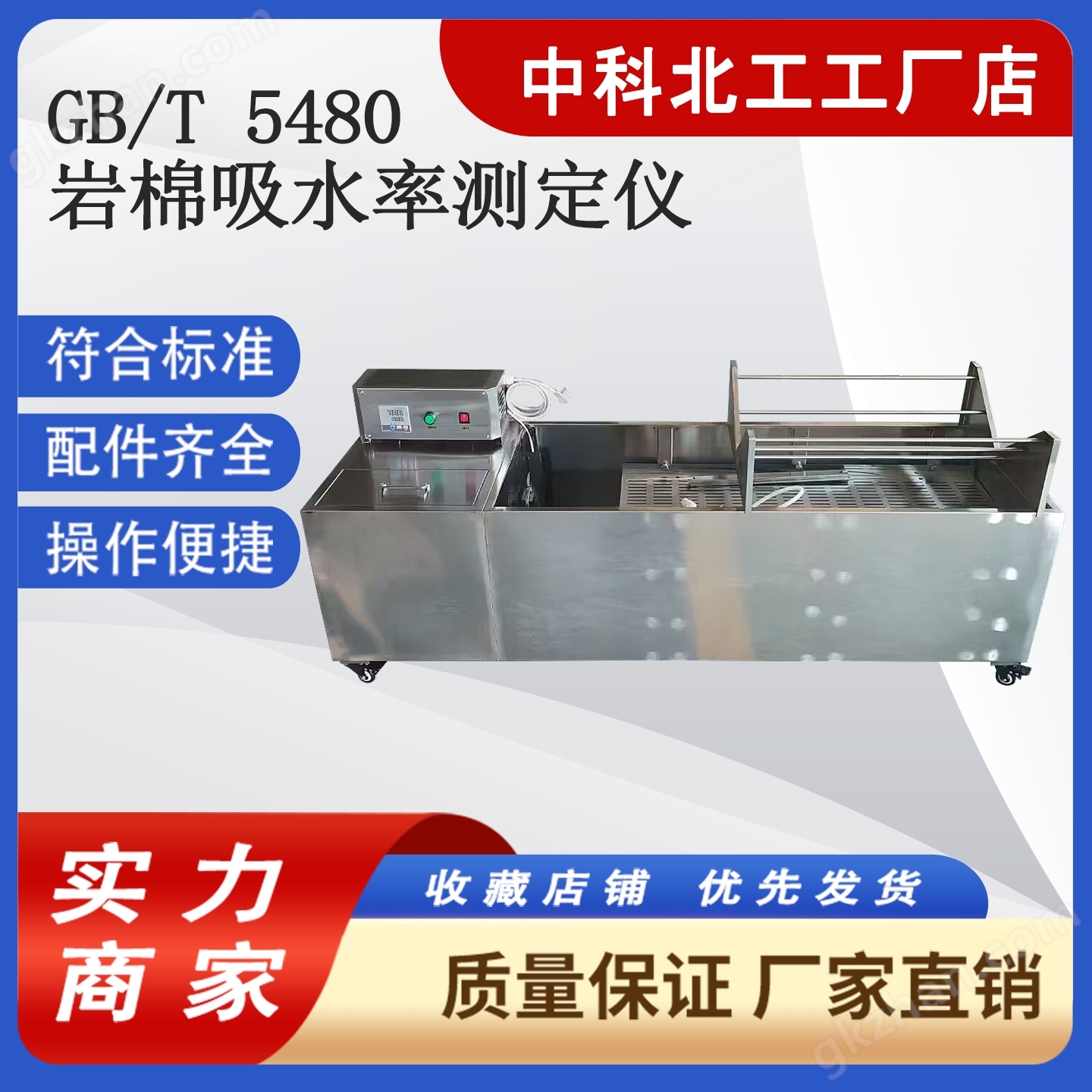
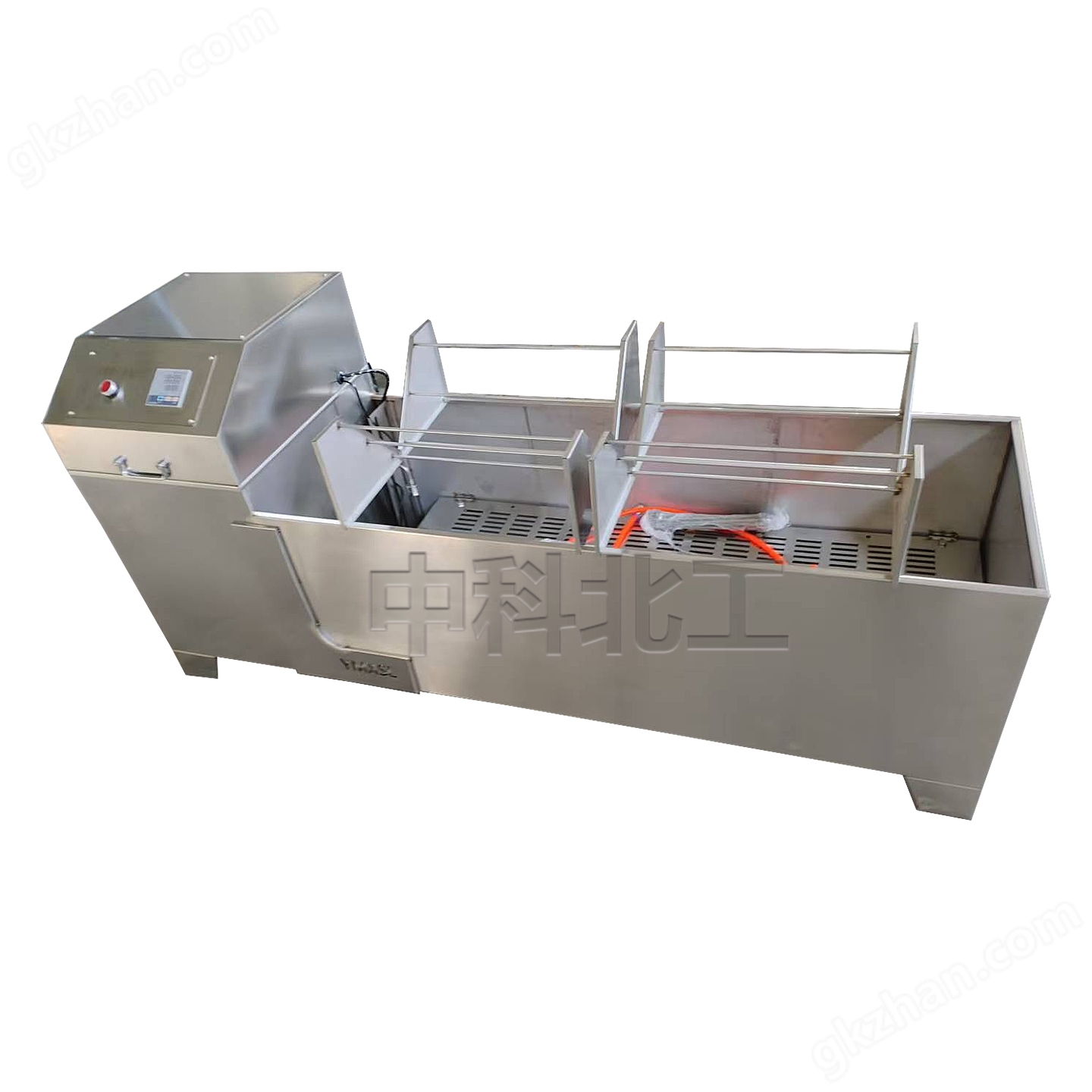
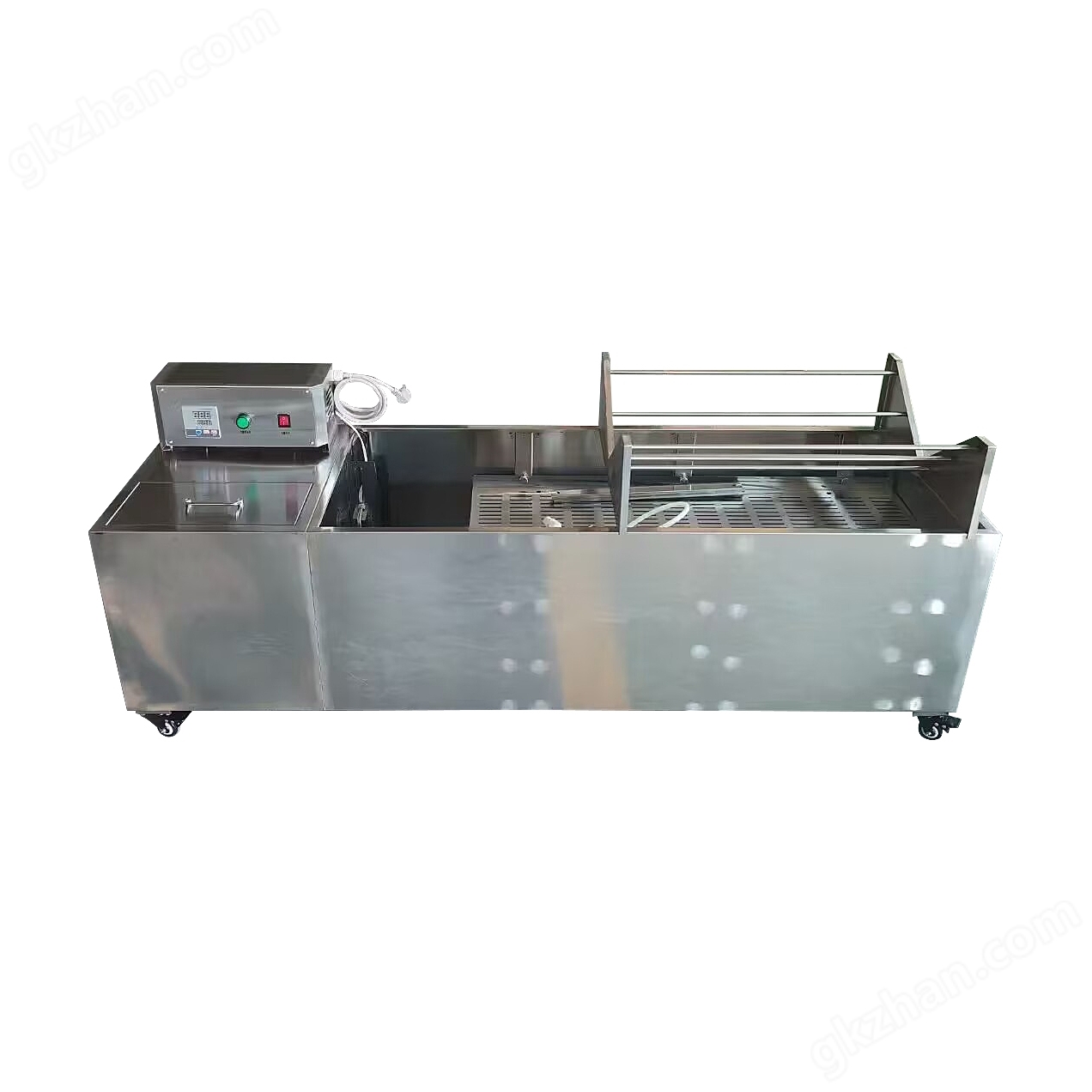
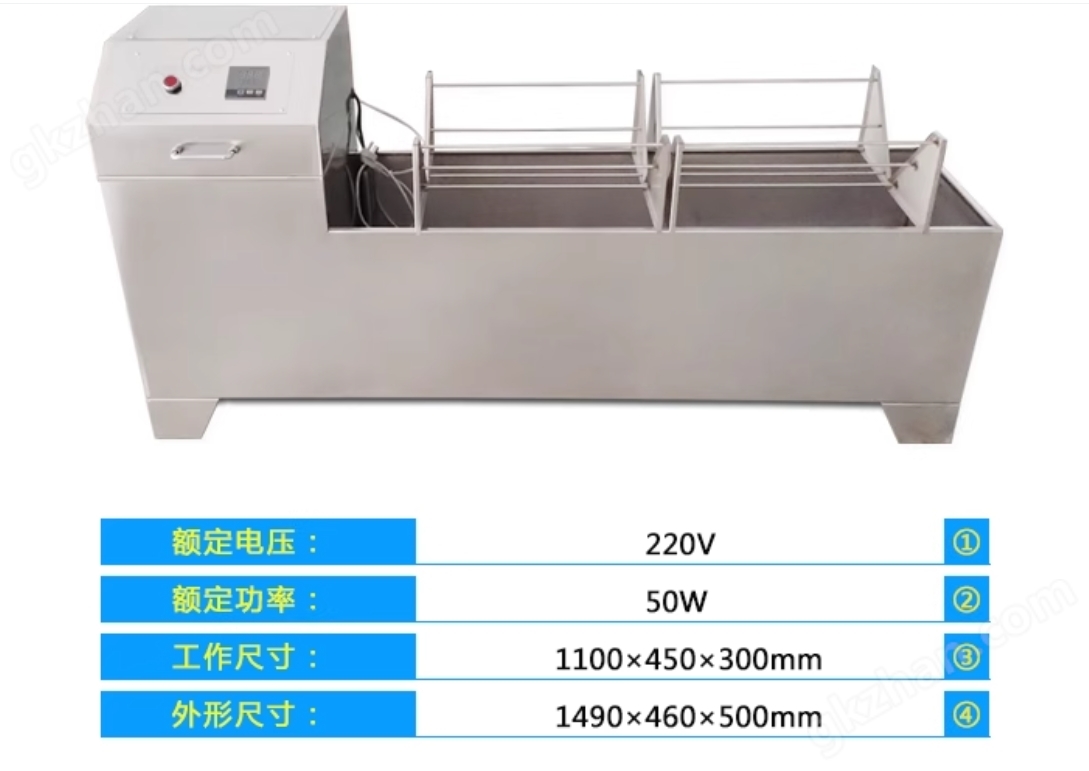
Overview, technical parameters, and operating steps of rock wool water absorption tester
NegotiableUpdate on 01/07
- Model
- Nature of the Manufacturer
- Producers
- Product Category
- Place of Origin
Overview
Overview, technical parameters, and operating steps of rock wool water absorption tester. This equipment meets the upgraded version of GB/T5480-2017, which is fully automatic and made of stainless steel both inside and outside. Safety details have been upgraded in all aspects, and water shortage protection has been implemented. The top surface and water surface height can be adjusted freely to prevent dry burning, and automatic control is available; Add sample support for controlling the inlet and outlet water flow rate switch: all stainless steel screens and pressure blocks are fully equipped, and 1 set of drainage rack is added
Product Details


1、 Product Overview
Overview, technical parameters, and operating steps of rock wool water absorption testerThis device meets the upgraded version of GB/T5480-2017, which is fully automatic and made of stainless steel both inside and outside. Safety details have been upgraded in all aspects, and water shortage protection has been implemented. The top surface and water surface height can be adjusted freely to prevent dry burning, and automatic control is available; Add sample support for controlling the inlet and outlet water flow rate switch: all stainless steel screens and pressure blocks are fully equipped, and 1 set of drainage rack is added
2、 Technical parameters
Power supply voltage: 220V 50 ± 10Hz%
Power: 2000W
Inner container size: 1180 * 370 * 220mm
Dimensions: 1600 * 400 * 790mm
3、 Sample
The sample of the plate-shaped product is square with a size of 200mmx200mm. For products that cannot be cut into 200mmx200mm samples, a square sample with the short side length of the sample as the side length can be cut, and the thickness of the sample is the original thickness of the sample. Take a circular sample with a height of 50m for the tubular product. The sample should be cut in the middle of the sample, with its edge at least 100mm away from the edge of the sample, and the surface should be clean, flat, and free of cracks. A sufficient number of samples should be prepared according to the requirements in the product standard. If there is no requirement for the number of samples in the product standard, at least 4 samples should be prepared.
4、 Full Man Test Method
Overview, technical parameters, and operating steps of rock wool water absorption tester
1. Experimental steps
(1) Measure the size of the sample. For square specimens, the length and width are measured using a steel ruler. Measure twice on both sides of the sample, with readings accurate to 1m. For hard products, use a steel ruler to measure thickness, with measurement points located in the middle of the four sides of the sample, with readings accurate to 0.5mm. For soft products, use a needle shaped thickness gauge to measure thickness, with four points evenly distributed on each sample, with readings accurate to 0.5mm. For circular samples, measure the inner and outer diameters on the end face of the sample, with two measurements on each face, and measure thickness at four points along the circumference, evenly distributed on the circumference. The inner diameter, outer diameter, and thickness are measured using a steel ruler, with readings accurate to 1m for the inner and outer diameters and 0.5m for the thickness. When calculating the volume of the sample, the average of the measured dimensions is taken.
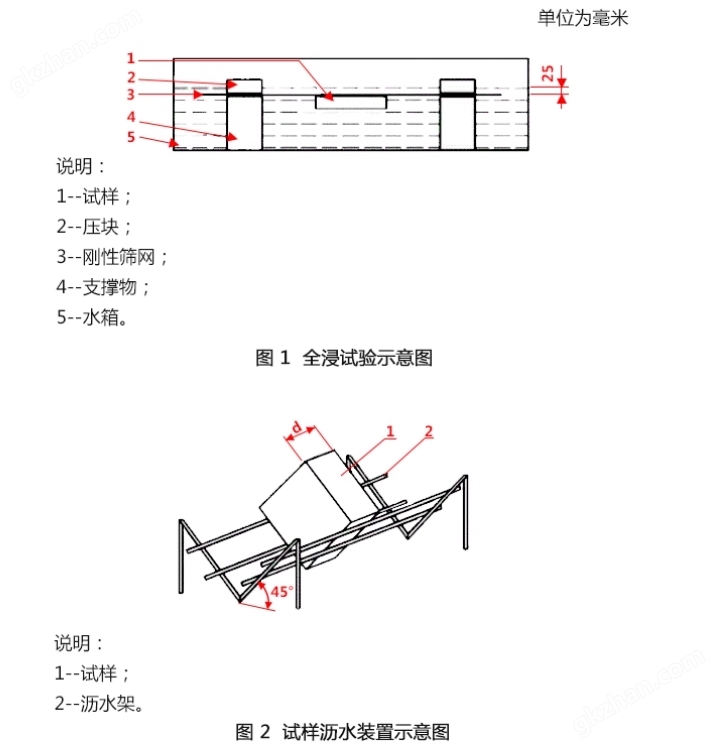
(2) Place the sample in an electric hot air drying oven and dry it to a constant weight at a temperature of (105 ± 5) ℃. When the sample contains volatile or variable components at this temperature, it can be dried to constant weight at (60+5) ℃ or below the volatile temperature of 5 '℃~10 ℃. Weigh the mass m of the sample. (3) Slowly press the sample into the water until the upper surface or end face of the sample is 25mm away from the water surface. Add a pressure block to fix it, as shown in Figure 1. There is no contact between the samples and the water tank wall. Maintain the above state for 2 hours, slowly remove the sample, place it on the draining rack as shown in Figure 2, let it drain for 10 minutes, and immediately weigh the mass of the sample m ₂.

Similar Product Recommend