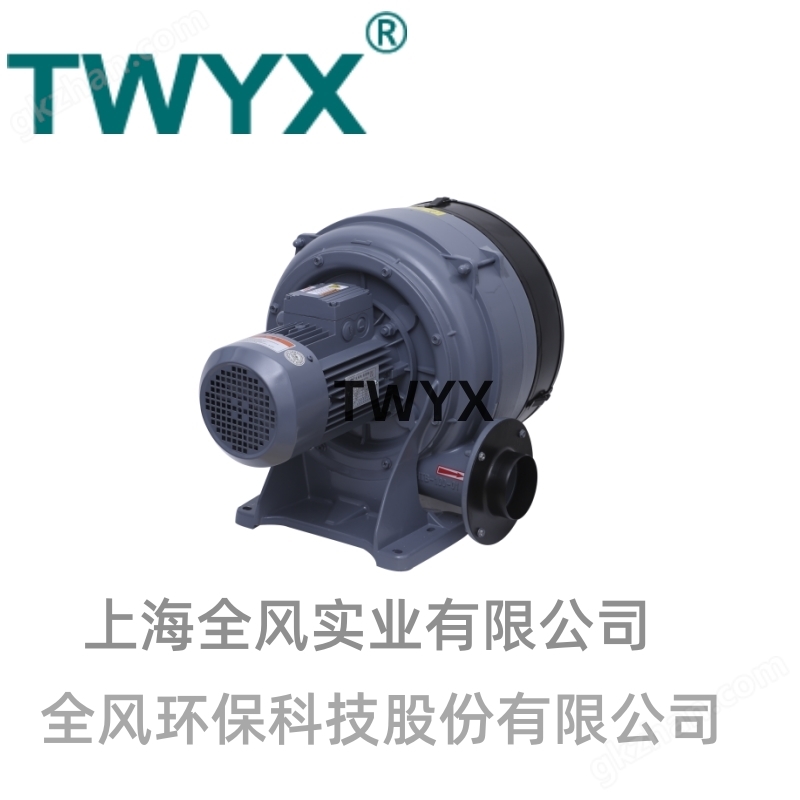
Exhaust gas delivery full air vortex pump model: RB-71D-4 4KW number of segments: single segment frequency: 50 (Hz) power: 4.0 (Kw) flow rate: 330 (m # 179;/h) protection level: IP55 pressure: 280 (mbar) insulation level: F or H vacuum: -260 (mbar) weight: 43 (kg) inlet/outlet: G2 (inch) noise: 70 dB (A)

Exhaust gas conveying full air vortex pumpThe application
Used for the suction and cleaning of metal debris and dust in mechanical processing, as well as the drying and cooling of component surfaces; Assist in the dust removal process before car body painting and the drying process after painting in automobile manufacturing; Provide cleaning and cooling airflow for circuit boards in electronic manufacturing.
Environmental EngineeringCan serve as a power source for exhaust gas collection systems, inhaling industrial exhaust gas from its source and transporting it to purification treatment equipment; Used for air supply to aeration tanks and suction and transportation of sludge in sewage treatment plants.
agricultural productionUsed for ventilation and air exchange in grain warehouses, as well as impurity absorption during grain transportation and screening processes; Air circulation and temperature regulation are carried out in greenhouses to promote crop growth.
package printingRealize vacuum adsorption and fixation of products, blowing and unfolding of packaging materials, and drying of printed paper in the packaging production line to improve the quality and efficiency of packaging printing


Exhaust gas conveying full air vortex pump
Installation Guide
Site selection: Choose a dry, well ventilated location away from flammable and explosive materials for installation. Ensure that the installation location has a flat and solid ground that can withstand the weight of the air pump and the vibrations generated during operation.
Pipeline connection: Connect the suction and blowing pipelines correctly according to actual application requirements. The pipeline material should have certain strength and corrosion resistance, and the connection parts should be well sealed to prevent gas leakage. The diameter of the pipeline should match the size of the inlet and outlet of the air pump to avoid affecting the airflow performance due to the diameter being too small or too large.
Electrical connection: Strictly follow electrical specifications to ensure that the power supply voltage and frequency are consistent with the rated parameters of the air pump. A firmly connected grounding protection device to prevent electric shock accidents from occurring. Install appropriate switches, fuses, and overload protection devices in electrical circuits to ensure safe control and protection of the air pump.
Maintenance points
Regular cleaning: Keep the surface of the air pump clean, regularly clean the filters at the inlet and outlet to prevent dust, impurities, and other foreign objects from entering the pump and affecting the normal rotation and airflow performance of the impeller. It is generally recommended to perform a simple cleaning once a week and a deep cleaning and filter replacement once a month.
Component inspection: Inspect key components such as impellers, bearings, and belts (if any) at regular intervals (such as every quarter) to see if there are any abnormal conditions such as wear, looseness, or deformation. Timely add or replace lubricating oil to ensure good lubrication of bearings and other moving parts, and extend the service life of the components.
Operation monitoring: During the operation of the air pump, closely monitor its operating status, including parameters such as noise, vibration, temperature, pressure, and flow rate. If any abnormal situation is found, such as excessive noise, intensified vibration, high temperature, or unstable pressure and flow, the machine should be stopped immediately for inspection, the cause should be identified, and repairs should be carried out to avoid the fault from escalating.