-
E-mail
sales@filtrascale.com
-
Phone
15882220395
-
Address
Unit 2, Building 2, Shiyong International Building, No. 68 Chenghong Road, Chengdu, Sichuan Province
Product Categories
Chengdu Feichuang Technology Co., Ltd
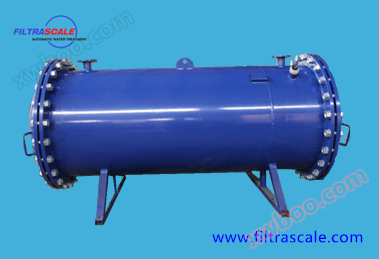
EC electrocoagulation high suspended solids wastewater treatment system
NegotiableUpdate on 08/14
- Model
- Nature of the Manufacturer
- Producers
- Product Category
- Place of Origin
Overview
Cost savings: including initial and operational costs. Labor savings: basically no maintenance required and will not cause secondary pollution of water quality and sediment. The usual chemical dosing method will change the pH value of water quality and produce new environmentally polluting chemical products to improve the recycling rate of industrial wastewater. Over 95% of wastewater treated by electronic flocculation systems can be reused. Disinfectant effect on sewage: Electronic flocculation technology can simultaneously kill bacteria and viruses in sewage
Product Details
The advantages of electronic flocculation technology:
•Cost savings: including initial and operational costs
• Save manpower: basically no maintenance required
• Will not cause secondary pollution of water quality and sediment: Conventional chemical dosing methods can alter the pH value of water and produce new chemical products that are harmful to the environment
• Improve the recycling rate of industrial wastewater: Over 95% of wastewater treated by electronic flocculation systems can be reused.
Disinfectant effect on sewage: Electronic flocculation technology can simultaneously kill bacteria and viruses in sewage
• Preventing scaling: Electronic flocculation technology can remove calcium ions from water
Working principle of electronic flocculation system:
Wastewater undergoes unique electronic chemical processes when passing through an electronic flocculation system, including:
-Charge condensation effect:
After the electrode is electrified, it will generate charges that attract small particles around it, breaking the original stable state of the material, and by changing the polarity of the particles, the small particles will adhere to each other to form new large particles, which are easy to precipitate.
-Emulsification effect:
The current decomposes H2O into hydroxide ions. These hydroxide ions combine with hydroxide ions in dissolved emulsified oil, sludge, dyes and other molecules to form water molecules, while displacing oil, sludge, dyes and other substances to form insoluble substances and precipitate.
-Formation of halogen complexes:
The electrode plate will generate metal ions simultaneously after being energized. These metal ions combine with chloride ions in chlorinated hydrocarbons in wastewater to form easily precipitated complexes. The pollutants removed include insecticides, herbicides, chlorinated PCBs, etc.
-Bleach:
The oxygen ions generated around the electrode also have a bleaching effect.
-Electronic flooding:
The large amount of electron flow present in water eliminates the polarity of hydrates, causing colloidal substances to dissociate and precipitate. At the same time, the increase in charge will form osmotic pressure, thereby killing bacteria, vesicle viruses, etc.
-Oxidation.
Method Description:
This is a process of breaking the stable state of suspended, floating, or dissolved pollutants in water by passing an electric current through it. The electrical energy generated by the current passing through the water will drive chemical reactions between substances. When a chemical reaction is driven or forcibly initiated, various components and compounds will tend to seek stable states under the action of electric current. Usually, this tendency towards a stable state results in the formation of a solid substance: this solid substance will exist in a non colloidal or non soluble state and is therefore easily removed by lower level separation techniques.
In the process of electronic flocculation, the current is introduced into the water to be treated through plates made of different metal materials. The selection of metal materials is related to the types of pollutants contained in the water that need to be treated, in order to achieve maximum removal of pollutants. According to Faraday's law, metal ions on electrodes will be separated or displaced into liquid media. After forming metal oxides, these metal ions will be attracted and combined by various pollutants that have broken their stable states, forming solid substances that are easy to separate and precipitate.
Comparison with traditional flocculation and sedimentation methods:
Due to the fact that electronic flocculation method can precipitate and remove a large amount of pollutants with a single operation, this technology has significant environmental and economic advantages for industrial, civil, and municipal projects. The initial investment and operating costs are significantly lower than those of chemical flocculation method. In most projects, users can recoup their costs within one year. In wastewater treatment projects, chemical flocculation is used to add additional chemical agents to alter the physical conditions of dissolved and suspended pollutants in the wastewater, thereby promoting the separation and removal of these substances. The inherent flaw of the vast majority of chemical flocculation methods is that it is a process of adding new substances to existing wastewater: adding these chemicals not only increases costs; More importantly, this method increases the content of dissolved substances in the treated water, making it unusable; In addition, this method will generate a large amount of sludge like sediment (the sediment generated by electronic flocculation method is only 0.5% of that of chemical method), so users need to further process these sediments, which also increases the cost of this method.
Compared to chemical flocculation and ordinary precipitation methods, wastewater treated by electronic flocculation is cleaner.
Comparison of the effectiveness of electronic flocculation and chemical flocculation in removing pollutants:
| Electronic flocculation method | Chemical flocculation method | Ordinary precipitation method | |
| Remove suspended solids concentration TSS | 95 to 99% | 80 to 90% | 50 to 70% |
| Reduce Biochemical Oxygen Demand (BOD) | 50 to 98% | 50 to 80% | 25 to 40% |
| Remove bacteria and other bacteria | 95 to 99.999% | 80 to 90% | 25 to 75% |
Applicable fields:
1. High turbidity and high suspended solids wastewater treatment: Comprehensive circulation treatment of coal containing wastewater from thermal power plants and coal plants, high suspended solids wastewater from ceramics and building materials industries, ore washing wastewater, and papermaking white water
2. Treatment of oily wastewater: wastewater from petroleum extraction processes, condensate water from petroleum coking furnaces, oily wastewater from metallurgy and mechanical processing industries
Similar Product Recommend