-
E-mail
17302157802@163.com
-
Phone
17302157802
-
Address
Room 713, No. 6, Lane 99, Jiayong Road, Jiading District, Shanghai
Product Categories
Shanghai Qiantuo Trading Co., Ltd
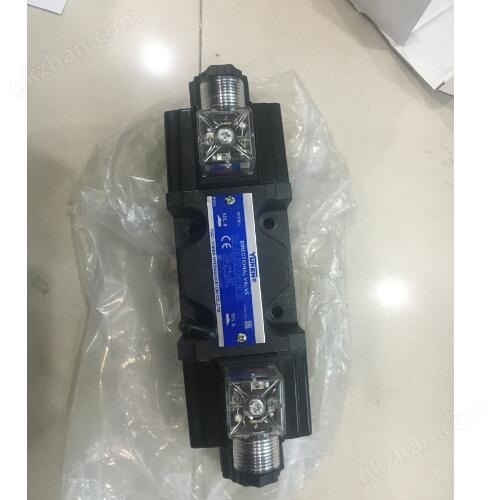
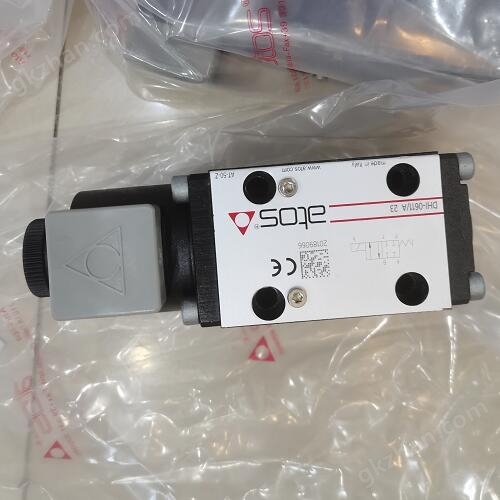
Structure and classification of oil research solenoid valves
NegotiableUpdate on 02/02
- Model
- Nature of the Manufacturer
- Producers
- Product Category
- Place of Origin
Overview
Oil Research Electromagnetic Valve Structure and Classification $r $nDSG-03-2B2-D24-N1-50 $r $nRG-03-B-22 $r $nDSG-03-3C4-D24-N1-50
Product Details
Structure and classification of oil research solenoid valves
When powered on, the electromagnetic force opens the pilot hole, causing the pressure in the upper chamber to rapidly decrease, creating a pressure difference of high and low around the closing element. The fluid pressure pushes the closing element to move upward, and the valve opens; When the power is cut off, the spring force closes the pilot hole, and the inlet pressure quickly forms a lower and higher pressure difference around the closing valve through the bypass hole. The fluid pressure pushes the closing valve to move downward and close the valve.
Select the solenoid valve based on pipeline parameters: diameter specification (i.e. DN), interface method
Corrosive media: Plastic king solenoid valves and all stainless steel should be selected; For strongly corrosive media, isolation membrane type must be selected. Neutral media, it is also advisable to use copper alloy as the valve shell material for solenoid valves, otherwise rust debris often falls off from the valve shell, especially in situations where the action is not frequent. Ammonia valves cannot use copper materials.
Determine the diameter (DN) size according to the on-site pipeline inner diameter size or flow requirements;
Interface method, generally>DN50 requires flange interface, ≤ DN50 can be freely selected according to user needs.
Corrosive fluids: corrosion-resistant solenoid valves and all stainless steel should be selected; Edible ultra clean fluid: It is recommended to use food grade stainless steel solenoid valves;
Choose based on the duration of continuous work: normally closed, normally open, or continuously powered on
When the solenoid valve needs to be opened for a long time and the duration exceeds the closing time, the normally open type should be selected;
If the opening time is short or the opening and closing time is not long, choose the normally closed type;
High temperature fluid: It is necessary to choose electromagnetic valves made of high-temperature resistant electrical materials and sealing materials, and to choose piston type structures;
Fluid state: up to gaseous, liquid, or mixed state, especially when the diameter is greater than DN25, it must be distinguished;
Fluid viscosity: Usually below 50cSt, it can be freely selected. If it exceeds this value, a high viscosity solenoid valve should be used.
Features: The upper limit of the fluid pressure range is relatively high, and it can be installed freely (customized), but it must meet the fluid pressure difference conditions.
Structure and classification of oil research solenoid valves
Similar Product Recommend