-
E-mail
15013828825@139.com
-
Phone
15013828825
-
Address
3rd Floor, No. 102 Xingfa Middle Road, Liwu Sixth Industrial Zone, Wusha Community, Chang'an Town, Dongguan City
Product Categories
- The repair of the test chamber is not limited to any brand
- thermal shock chamber
- High Temperature Aging Chamber
- UV aging test chamber
- salt spray test chamber
- Xenon lamp weather resistance test chamber
- High temperature constant temperature aging room
- Physical property testing instruments and equipment
- constant temperature and humidity chamber
Chuangjie Instrument Technology (Dongguan) Co., Ltd


Stainless steel temperature shock test chamber
NegotiableUpdate on 01/07
- Model
- Nature of the Manufacturer
- Producers
- Product Category
- Place of Origin
Overview
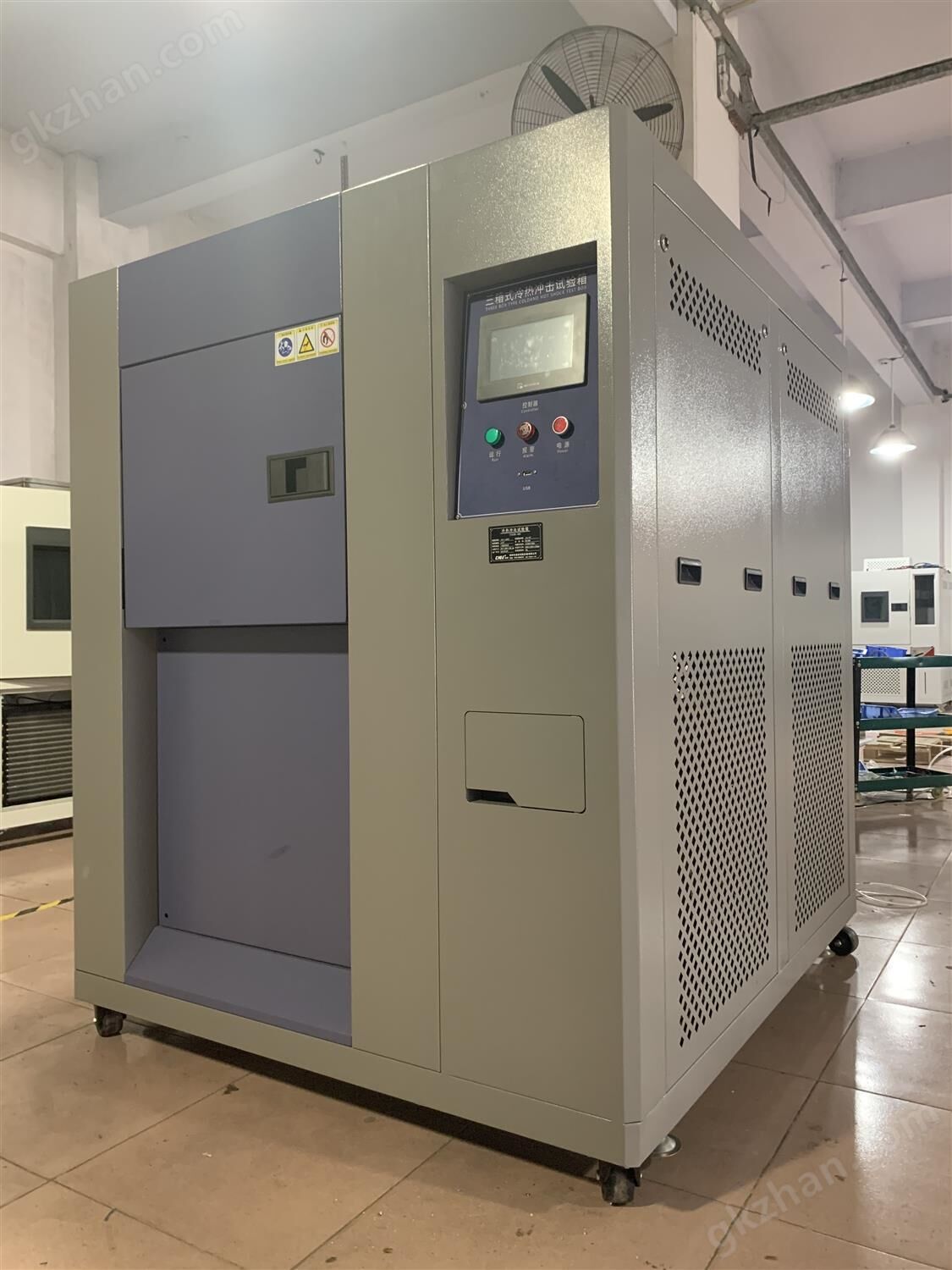
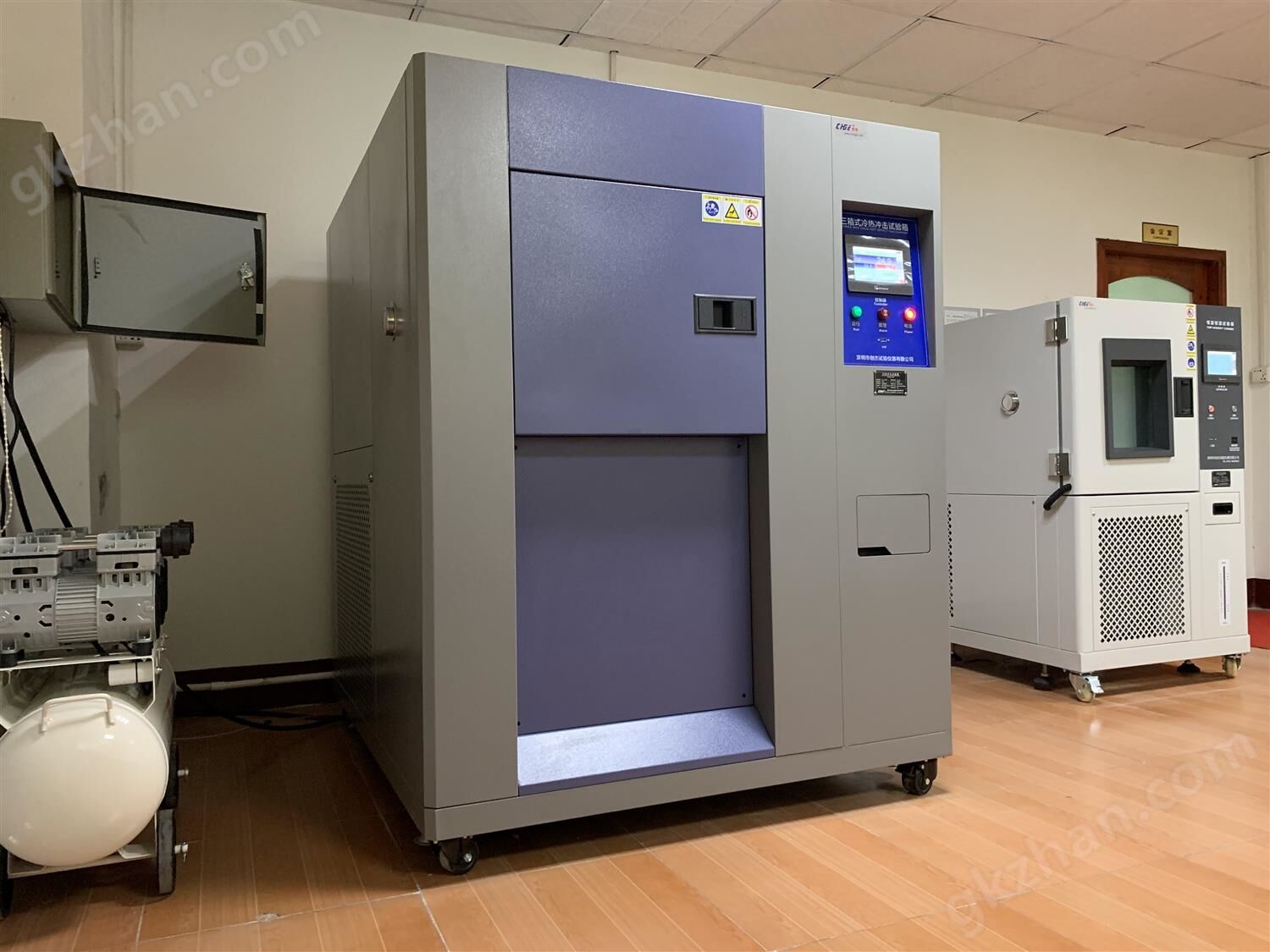
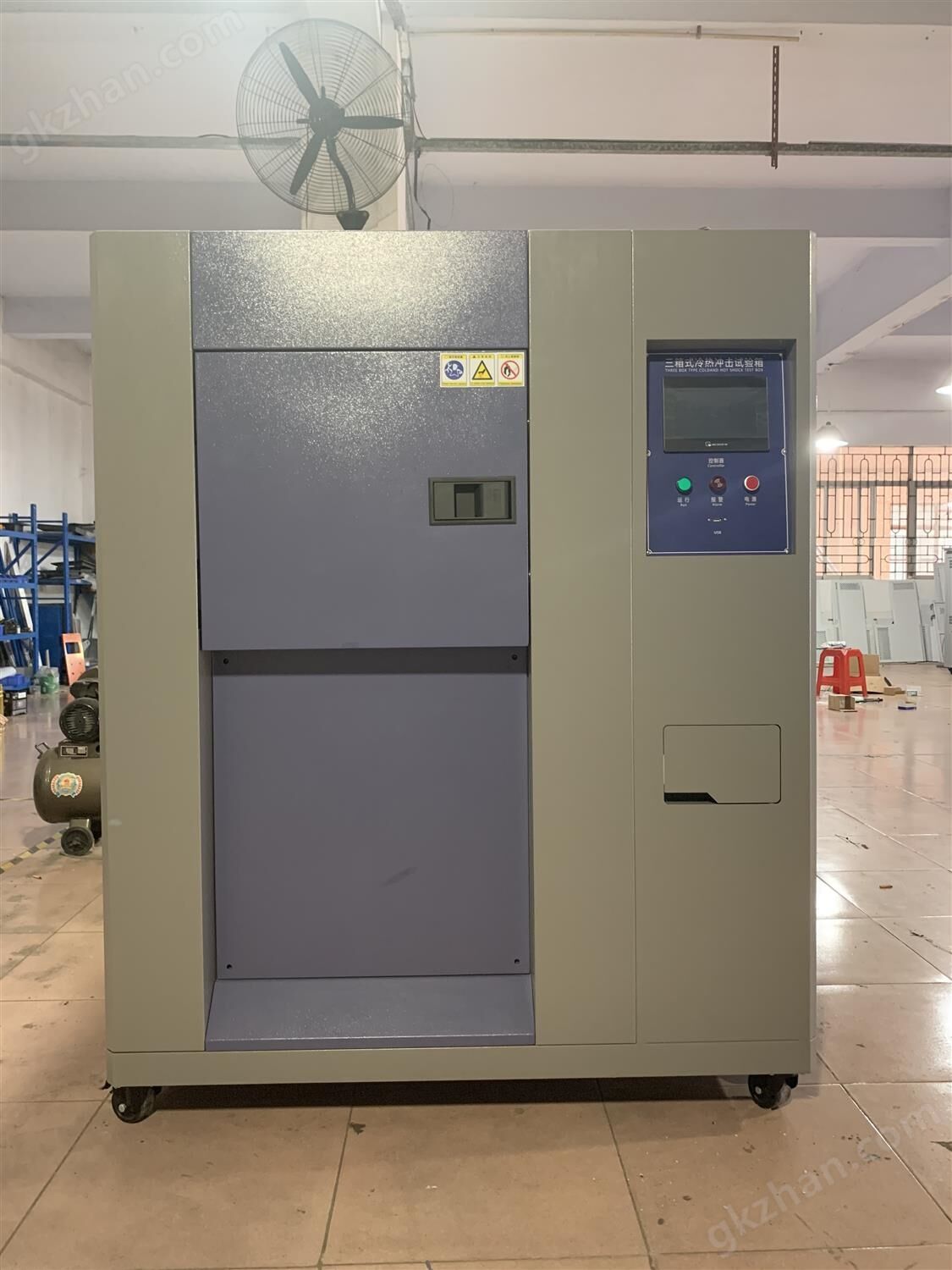
The stainless steel temperature shock test chamber is a key equipment used to simulate harsh temperature change environments and test the tolerance of materials or products. Although its stainless steel material has advantages such as corrosion resistance and high temperature resistance
Product Details
Stainless steel temperature shock test chamberfeature
Material durability
Inner liner: Made of 304 or 316 stainless steel material, it has strong corrosion resistance and can withstand temperatures ranging from -100 ℃ to+200 ℃ for a long timeharshTemperature cycling, suitable for harsh environments such as humidity and salt spray.
Outer box: mostly made of stainless steel or cold-rolled steel plate baked paint, balancing strength and cost. Some models are treated with anti-static spray coating, making the appearance more beautiful.
Temperature control accuracy
The temperature fluctuation can be controlled within ± 0.5 ℃, and the uniformity is ≤ 2.0 ℃, meeting the requirements of high-precision testing.
Some models adopt PLC control system, with temperature conversion time less than 10 seconds, suitable for fields such as electronic components that are sensitive to temperature changes.
structural optimization
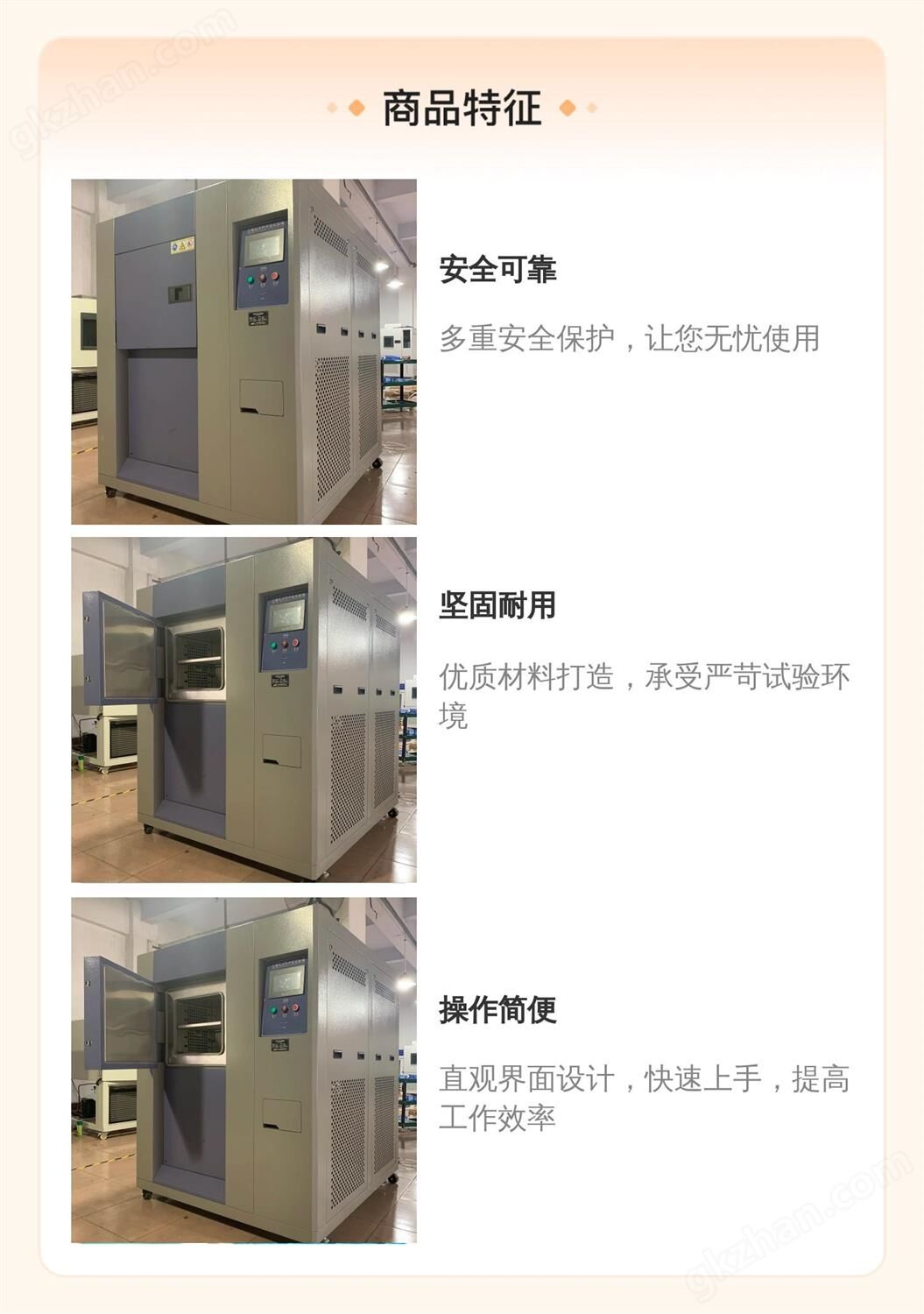
Two box design: consisting of a high temperature box, a low temperature box, and a transmission device, it quickly switches between high and low temperature boxes through a basket to achieve temperature shock.
-
Three box design: increases the room temperature zone, eliminates the need for frequent movement of test samples, reduces mechanical stress, and is suitable for testing large or precision components.
-
Stainless steel temperature shock test chamber
Precautions during operation
Temperature monitoring
Real time observationReal time viewing of temperature curves through touch screens or remote monitoring systems to ensure temperature fluctuations are within ± 2 ℃.
exception handlingIf an over temperature alarm occurs (such as exceeding the set value+5 ℃ in the high temperature zone), immediately pause the test and check the refrigeration system or heating element.
Air duct and sample placement
Avoid obstructionThe samples should be evenly distributed in the basket, away from the air outlet and return air outlet, to prevent local temperature anomalies.
Reduce the number of door openingsTry to avoid frequent opening and closing of the box door during the testing process to prevent heat or cold loss from affecting the testing accuracy.
safety protection
protective deviceWear insulated gloves during operation to prevent burns or frostbite caused by contact with high or low temperature components.
Emergency stopFamiliarize yourself with the location of the emergency stop button on the device, and immediately cut off the power in case of emergencies such as leakage or abnormal noise.


Similar Product Recommend