-
E-mail
17302157802@163.com
-
Phone
17302157802
-
Address
Room 713, No. 6, Lane 99, Jiayong Road, Jiading District, Shanghai
Product Categories
Shanghai Qiantuo Trading Co., Ltd

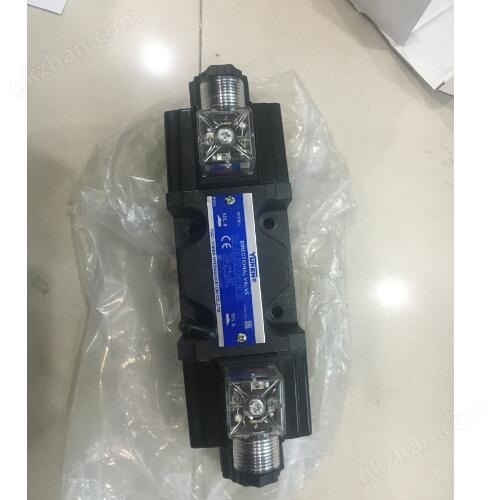
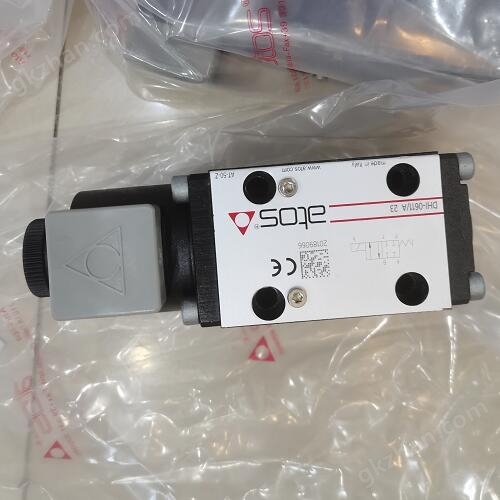
Product schematic diagram of Parker directional control valve
NegotiableUpdate on 01/07
- Model
- Nature of the Manufacturer
- Producers
- Product Category
- Place of Origin
Overview
Product schematic diagram of Parker directional control valve $r $n Hydraulic valve is used to control the flow direction of oil in the hydraulic system or adjust its flow rate and pressure. As a type of hydraulic valve, directional control valve controls the flow direction of oil by changing the flow channel. The types of directional control valves include one-way valves, hydraulic control one-way valves, directional valves, stroke reduction valves, filling valves, shuttle valves, etc.
Product Details
Product schematic diagram of Parker directional control valve
It has the function of logical 'or gate' Widely used in logic circuits and program control circuits, commonly used in the transition from manual to automatic circuits.
Due to the routing process of the shuttle valve during the reversing process, when the intake or exhaust volume of a certain interface is very small, the pressure difference between the front and rear of the valve cannot produce the pressure difference that causes the valve to reverse normally, resulting in the valve being unable to reverse and stopping midway, causing the valve to malfunction. So when using it, be careful not to use a variable diameter connector at a certain interface, which may cause the path to be too small.
According to the direction of fluid flow in the pipeline, if only one direction of fluid flow is allowed, such valves are called one-way control valves, such as one-way valves, shuttle valves, etc; The control valve that can change the direction of fluid flow is called a directional valve, such as commonly used two position two-way, two position three-way, two position five way, three position five way, etc.
The disinfection of the working cylinder under given conditions largely depends on the size of the control valve. If it is necessary to increase the speed (especially when it is necessary to increase the one-way speed), a quick exhaust valve can be installed without having to bear the cost of a large control valve.
Nominal pressure: This parameter has the same meaning as other general valves and is determined based on the nominal pressure of the pipeline;
Work pressure: If the work pressure is low, the principle of direct action or step-by-step direct action must be selected; When the working pressure difference is above 0.04Mpa, direct acting, step-by-step direct acting, and pilot operated can all be selected.
Electrical selection: The voltage specifications should preferably be AC220V or DC24, which are more convenient.
Choose based on the duration of continuous work: normally closed, normally open, or continuously powered on
When the solenoid valve needs to be opened for a long time and the duration exceeds the closing time, the normally open type should be selected;
If the opening time is short or the opening and closing time is not long, choose the normally closed type;
According to the control method, it can be divided into solenoid valves, mechanical valves, pneumatic valves, and human controlled valves. Among them, solenoid valves can be divided into two types: single and double electric control valves; Mechanical valves can be divided into various types such as ball head valves, roller valves, etc; Pneumatic valves can also be divided into single pneumatic valves and dual pneumatic valves; Manual valves can be divided into two types: manual valves and foot operated valves.
According to the working principle, it can be divided into direct acting valves and pilot valves. Direct acting valves are valves that rely on human or electromagnetic force, and pneumatic force to directly achieve directional requirements; A pilot valve consists of a pilot head and a valve body, with the pilot head piston driving the valve stem inside the valve body to achieve directional change.
Product schematic diagram of Parker directional control valve
Similar Product Recommend