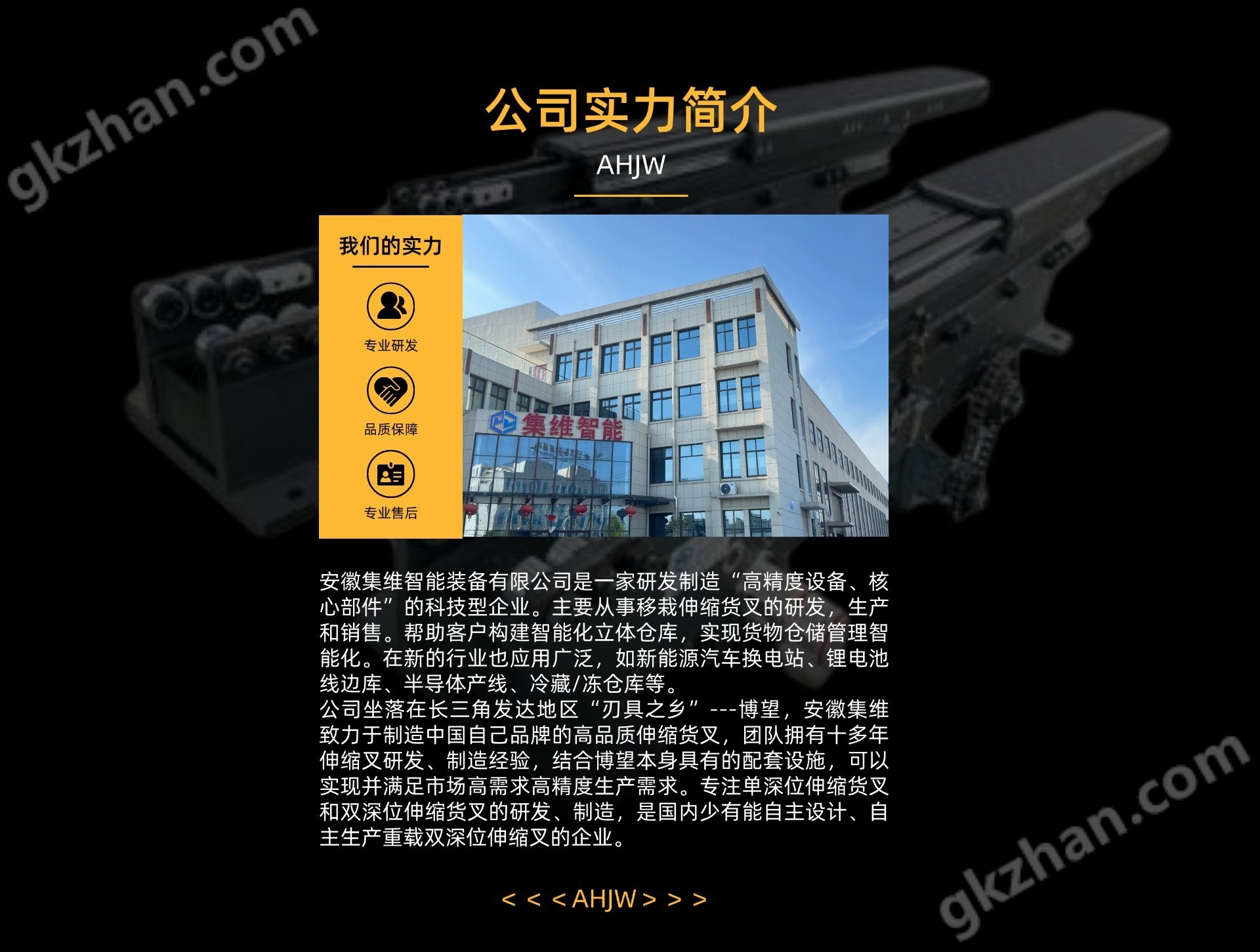
Lightweight telescopic forks, also known as lightweight telescopic forks or small telescopic forks, are storage and handling components with rated loads ranging from tens of kilograms to one or two hundred kilograms. They are often used in conjunction with stacker cranes, AGVs, and other equipment for the transportation of lightweight materials
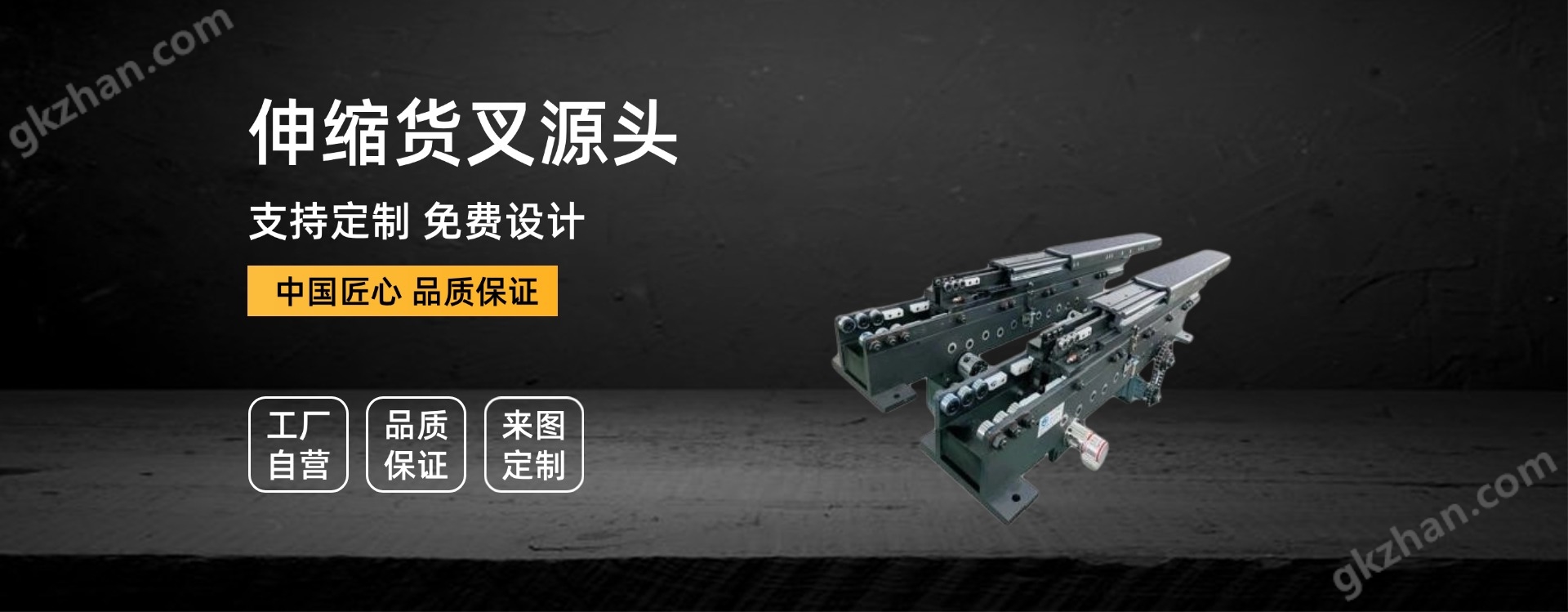
Lightweight telescopic fork, also known as
Lightweight telescopic forkSmall telescopic forks are storage and handling components with rated loads ranging from tens of kilograms to one or two hundred kilograms. They are often used in conjunction with stacker cranes, AGVs, and other equipment for light material transportation. Below is a detailed introduction from the aspects of core structure, transmission type, key characteristics, customized adaptation, and applicable scenarios:
-
core structure
This type of fork structure can be divided into two mainstream forms according to operational requirements, with overall component matching considering both flexibility and stability:
Single depth position (single extension position)The most common structure is a three pronged fork, consisting of an upper fork, a middle fork, and a lower fork. The lower fork is connected to the equipment body as a fixed end, the middle fork is responsible for transmitting power and transition stroke, and the upper fork directly contacts the material; Simultaneously equipped with guide rollers, travel switches, encoders, and other components, a complete telescopic mechanism is formed. During homework, the middle fork extends about half of its own length, and the upper fork extends from the midpoint to the target position.
Double depth position (double extension position)To adapt to longer travel distances, an additional fork is added to the single depth structure to form a four section nested structure, which can meet the operational requirements of two different transfer distances and solve the problem of insufficient single depth travel. In addition, it can be divided into single row and double row types. The single row type has a single fork arm that operates independently, while the double row type has two fork arms that operate in conjunction, suitable for different placement forms of lightweight materials.
-
Mainstream transmission types and characteristics
The transmission mode of light telescopic fork needs to match its light load characteristics. Different transmission types adapt to different precision requirements, as follows:
Gear chain combination transmissionThis is the most commonly used type, with stable transmission performance and easy maintenance. However, the chain is prone to stretching after long-term use, which can lead to slight deviations in operating accuracy. The repeated positioning accuracy is about ± 3mm, which is suitable for conventional lightweight storage scenarios with low precision requirements.
Pure gear transmissionThe process is relatively complex, but the operating accuracy is highjigaoThe repeated positioning accuracy can reach ± 0.5mm. Due to its precise positioning, it is often used in light work scenarios such as industrial automation production lines that require strict material transfer accuracy.
Synchronous belt driveThe structure is simple and the operating noise is low, but the load-bearing capacity is limited. When the load is too large, it is prone to slip problems. It is only suitable for short distance transportation of extremely lightweight materials and is a niche light load exclusive transmission solution.
Key performance characteristics
Lightweight and efficientMade of materials such as aluminum alloy and lightweight carbon steel, it is lightweight and compact in size. It can operate flexibly in small spaces, quickly complete expansion and contraction movements, move loads quickly and smoothly, and has low full load deflection. Its weight will not affect the equipment's movement response speed, and it can also reduce overall energy consumption.
Easy to maintainCompared to medium and heavy-duty forks, its structure is simpler, and core faults are mostly concentrated in the wear or looseness of transmission components. Daily maintenance only requires regular checks of chain tightness, gear meshing status, and guide rail lubrication, without the need for complex debugging processes, resulting in lower maintenance costs.
-
Material customization and environmental adaptation
This type of fork can be customized with materials and structures according to different operating environments, and is suitable for various special scenarios:
Material CustomizationHigh strength carbon steel is commonly used in normal temperature scenarios; Stainless steel material can be used for damp environments that require waterproofing and rust prevention; pursuitjizhiLightweight and extremely light material transportation scenarios can use aluminum alloy materials; For environments such as high-temperature furnaces and cold storage facilities, special steel materials that are resistant to high and low temperatures will also be selected.
Structural customizationFork body can be customized with various designs such as narrow body wide load surface, wide body wide load surface, or narrow body narrow load surface, which can match different sizes of lightweight material boxes, trays, etc., and adapt to diverse lightweight material shapes.
-
Applicable scenarios
Lightweight telescopic forkDue to its lightweight and flexible characteristics, its application scenarios cover light warehousing and production processes in multiple industries: in the electronics industry, it can transport small electronic component material boxes; In the food and beverage, pharmaceutical industries, it is suitable for the three-dimensional storage and retrieval of lightweight materials such as packaged food and drugs; In agricultural distribution centers, vegetable and fruit boxes can be transported; It is also applicable to dust-free workshops with cleanliness requirements of Class 10000 and Class 100, as well as light-duty material transfer in special environments such as cold storage and high-temperature furnaces.