-
E-mail
2850368838@qq.com
-
Phone
15021695388
-
Address
1908 Liuxiang Road, Malu Town, Jiading District, Shanghai
Product Categories
Shanghai Huquan Valve Group Co., Ltd
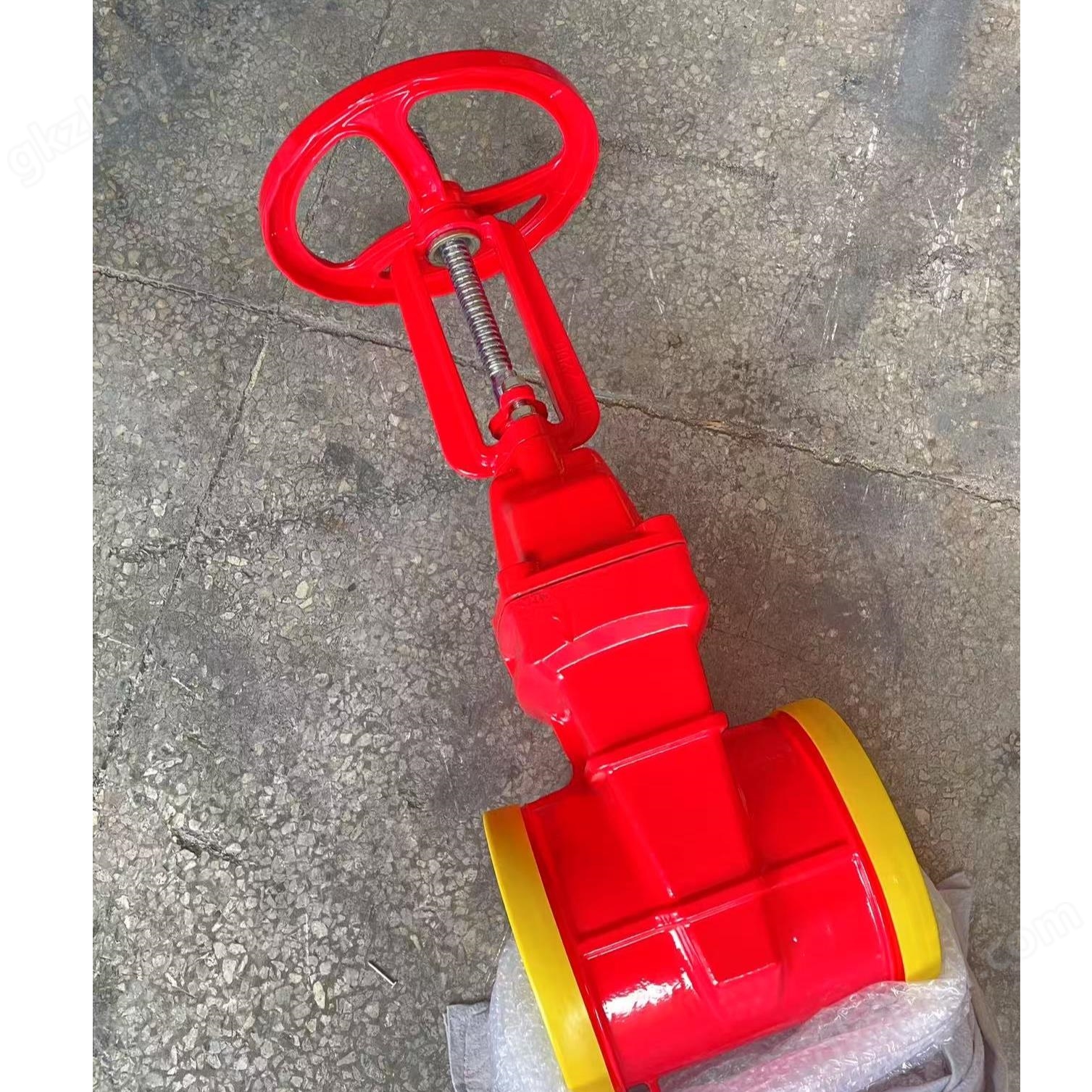
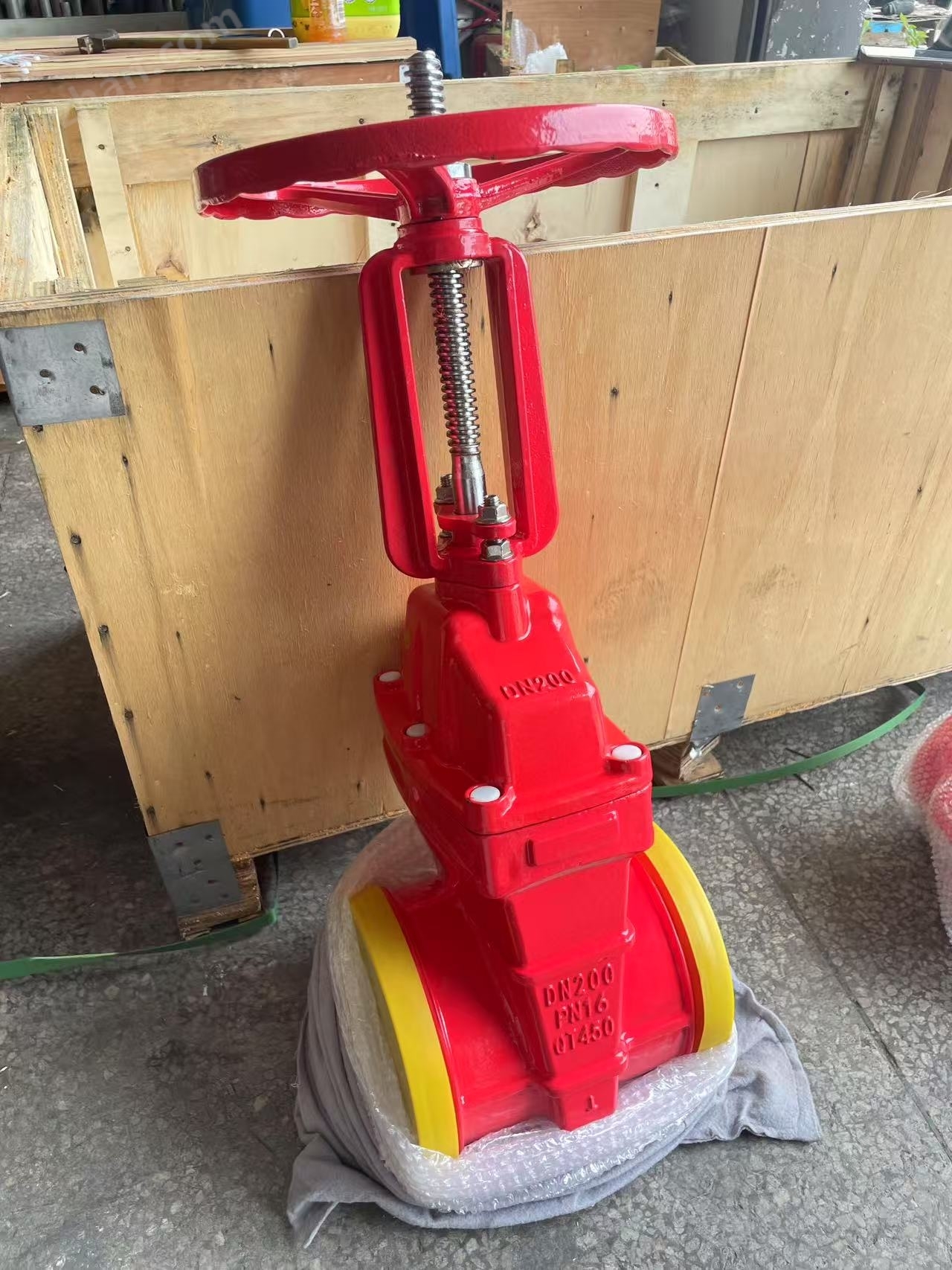

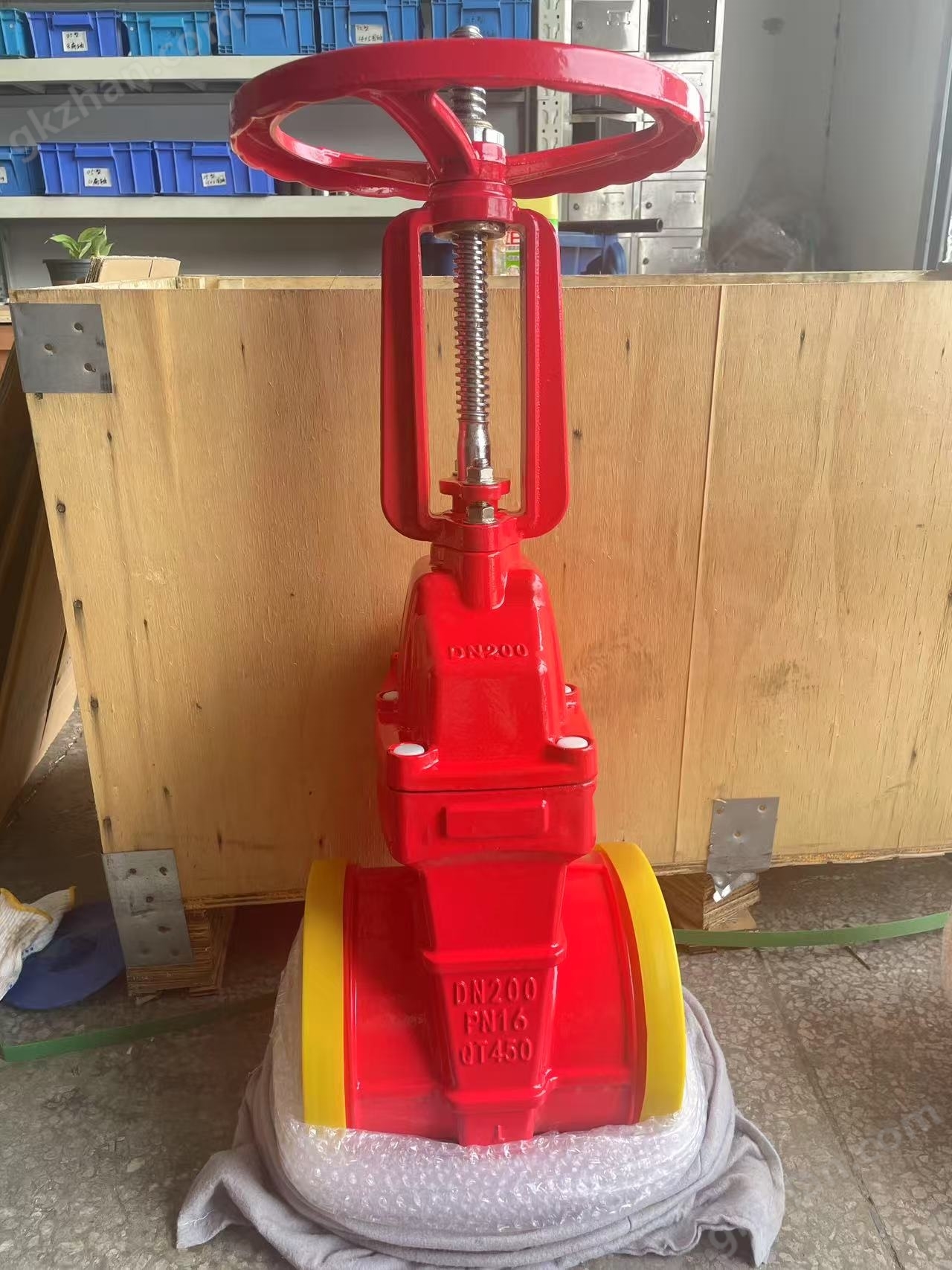

Fire fighting groove type gate valve
NegotiableUpdate on 01/07
- Model
- Nature of the Manufacturer
- Producers
- Product Category
- Place of Origin
Overview
Structural characteristics of groove type gate valves for fire protection: The groove type (clamp) connection valve is a series of new connection valves designed and manufactured by introducing advanced products of the same type from the United States and Germany. It has the advantages of fast, simple, safe, reliable installation, no installation site restrictions, easy maintenance of pipelines and valves, vibration isolation and sound insulation, and overcoming the distortion caused by different axes of pipeline connections within a certain angle range, solving the thermal expansion and contraction caused by temperature differences.
Product Details
Fire fighting groove type gate valveBasic Parameters:
Nominal pressure: 1.0-1.6MPa
Shell strength pressure test: 1.5-2.4-3.75
Sealing performance pressure test: 1.1-1.76-2.75
Product materials: cast iron, ductile iron, carbon steel, stainless steel
Applicable media: water, steam, oil, air, etc
Z81X-16QFire specific open stem groove gate valveThe connection method, also known as clamp connection, for pipes with a diameter equal to or greater than 100mm, flange or groove type connectors should be used in sections for connection. In addition to the advantages of elastic seat sealed gate valves, they can also provide a more intuitive view of valve opening, and can be opened and closed quickly and reliably. Therefore, they are commonly used in fire and industrial systems and are generally installed at a higher height above the ground.
Fire fighting groove type gate valveThe specific characteristics are as follows:
1. Overall encapsulation: The gate adopts overall encapsulation, which has good coverage performance and geometric dimensions, ensuring reliable sealing and service life.
2. Lightweight: The valve body is made of ductile iron, which is lightweight and easy to install.
3. Flat bottomed valve seat: The bottom adopts the same flat bottomed valve seat design as the water pipe, which does not produce debris accumulation and has reliable sealing.
4. Corrosion resistance: The inner cavity is coated with epoxy resin to prevent corrosion and rust. It can not only be used for drinking, but also for sewage systems.
5. Three '0' seal: The valve stem adopts three 0-ring seals, with low friction resistance, lightweight switch, and no water leakage.
Fire fighting groove type gate valveScope of application: Widely used in water supply and drainage of fluid pipelines, fire protection, air conditioning, gas, petroleum, chemical, water treatment, municipal, shipbuilding and other pipeline engineering as a control fluid.