-
E-mail
1150806843@qq.com
-
Phone
13980844282
-
Address
No. 12B, Building 8, Changjiu Electromechanical City, Jinniu District, Chengdu City
Product Categories
Chengdu Shenguang Electromechanical Equipment Co., Ltd

Blade grinding tool
NegotiableUpdate on 11/24
- Model
- Nature of the Manufacturer
- Producers
- Product Category
- Place of Origin
Overview
Introduction -1. Properly controlling cutting force and cutting speed. Properly controlling the cutting force and cutting speed of the tool is also an effective means to reduce the temperature of the machining area and extend the service life of the cutting fluid
Product Details
1. Properly controlling the cutting force and cutting speed of the cutting tool is also one of the effective means to reduce the temperature of the machining area and extend the service life of the cutting fluid. When processing difficult to machine materials, precision ground tool edges are generally used, and the cutting depth and width should not be too large. When choosing cutting line speed, factors such as different material types, part structures, and processing equipment should be considered. In general, if the processing material is nickel based alloy, the line speed should be controlled at 20 to 50 meters per minute; The processing material is titanium alloy, and the line speed should be controlled at 30 to 110 meters per minute; The processing material is PH stainless steel, and the line speed should be controlled within the range of 50 to 120 meters per minute.
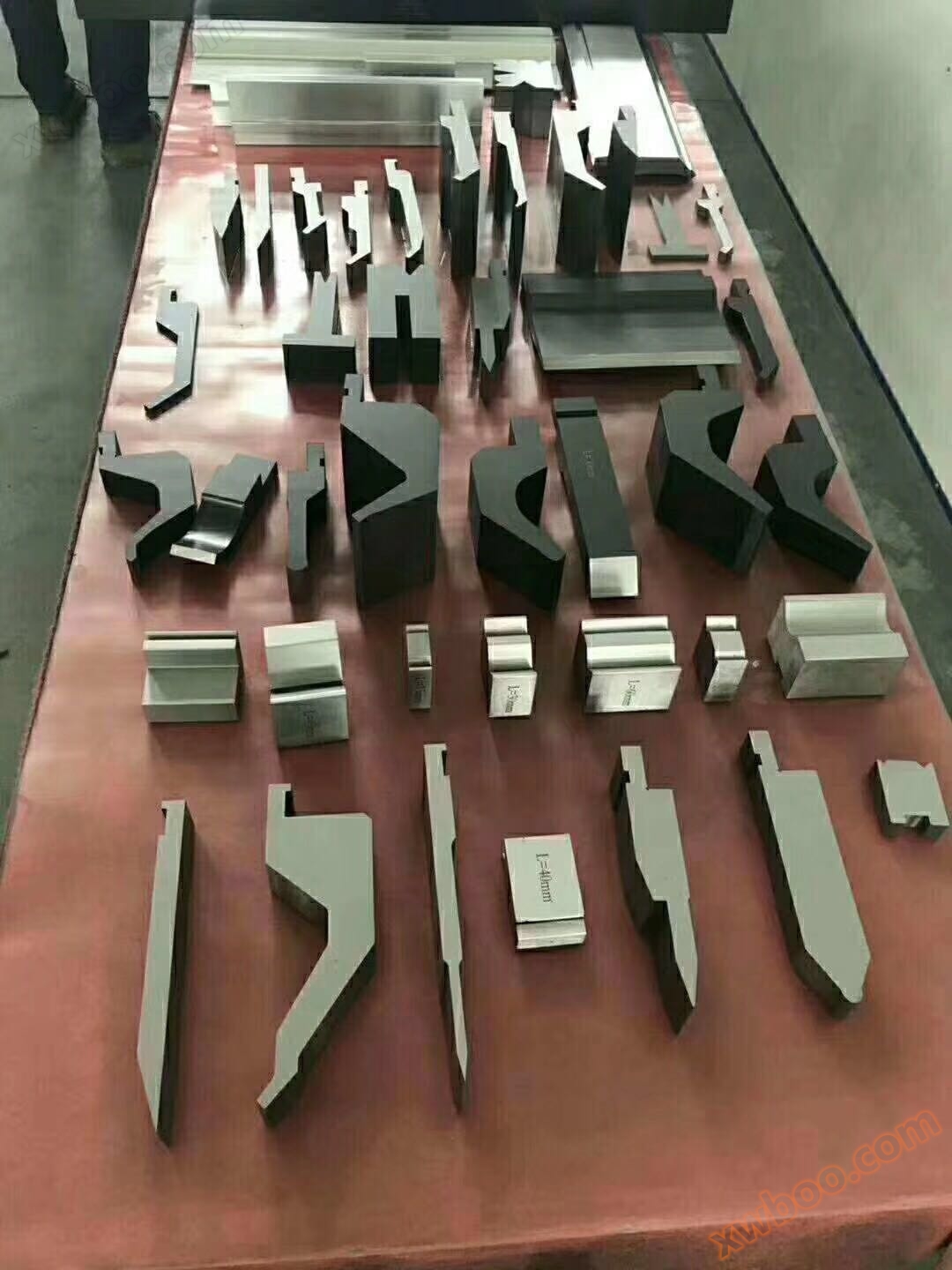
2. Choosing a reasonable cutting method can cause significant differences in the damage of cutting fluid for difficult to machine materials. No matter which cutting method is chosen, the principle is the same, which is to minimize cutting force and reduce cutting zone temperature as much as possible. The use of cycloidal cutting method can greatly reduce the cutting area, resulting in a smaller actual cutting angle of the cutting fluid, thereby extending the heat dissipation time of each tooth of the tool and reducing the cutting temperature; The use of spiral interpolation method can make the cutting amount of each tooth relatively uniform, avoiding the concentration of cutting force on a few teeth and accelerating wear. This effect is more obvious at corners; By using a large feed cutting method, the cutting force is effectively reduced with a smaller cutting depth and a larger feed, resulting in less cutting heat and lower temperatures in the machining area.


