-
E-mail
3008713919@qq.com
-
Phone
15000352989
-
Address
Ankerui Electric Co., Ltd. 253 Yulu Road
Product Categories
Ankerui Electric Co., Ltd


Automated electrical monitoring device
NegotiableUpdate on 01/07
- Model
- Nature of the Manufacturer
- Producers
- Product Category
- Place of Origin
Overview
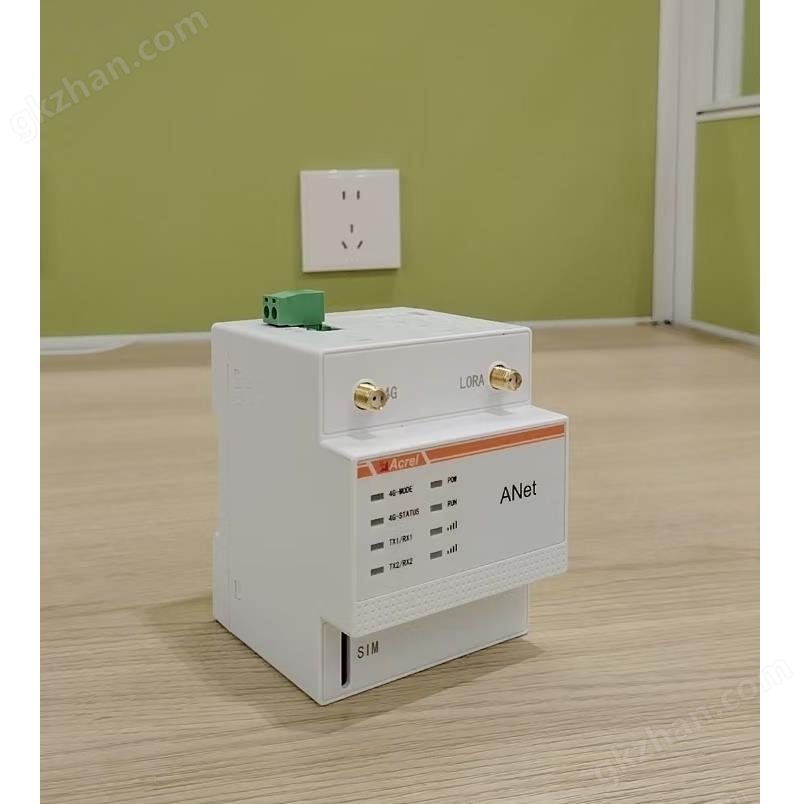
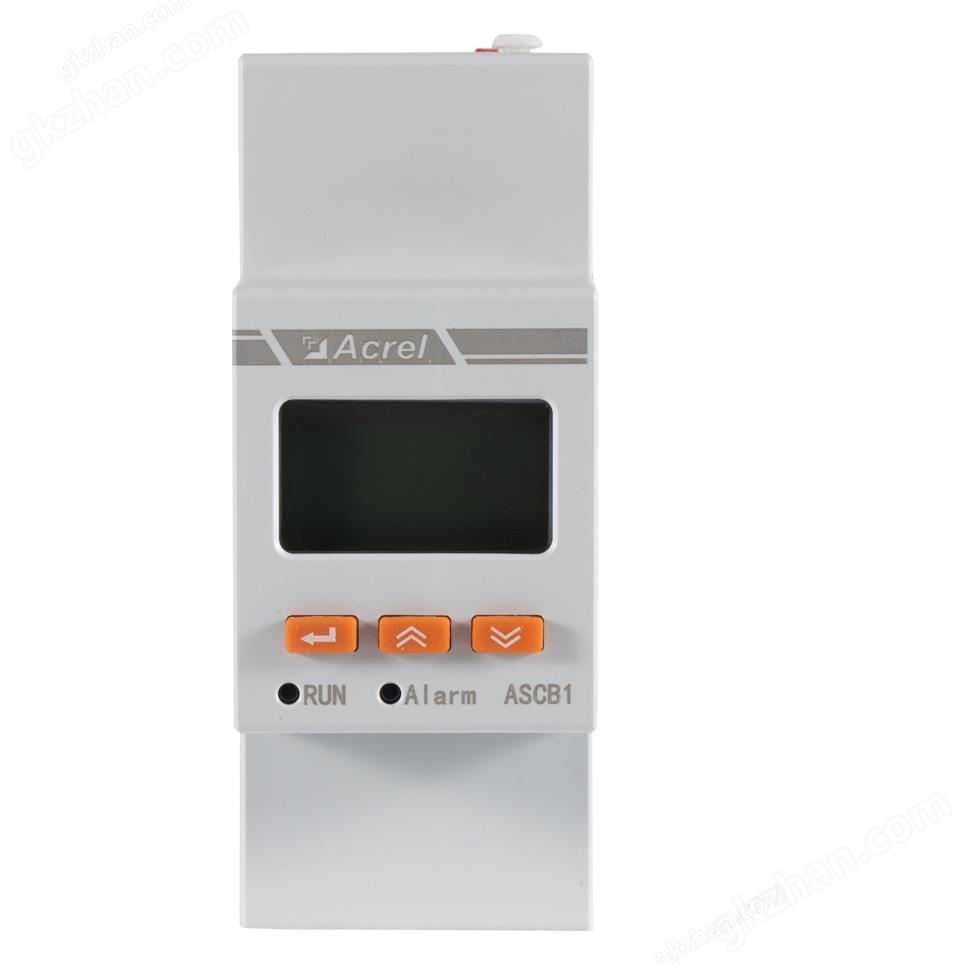
The automated electrical monitoring device is an intelligent and safe electrical product specifically developed for the low-voltage distribution side. It is designed to address common safety hazards such as electric shock accidents, line aging, grounding faults, and electrical fires caused by leakage on the low-voltage distribution side. It plays a role in preventing electrical fires, leakage, injury, stable power supply fault alarms, and remote monitoring of electrical data.
Product Details
Automated electrical monitoring devicesummary:
It is an intelligent and safe electrical product specifically developed for the low-voltage distribution side. It is designed to address common safety hazards such as electric shock accidents, line aging, grounding faults, and electrical fires caused by leakage. It has the effects of preventing electrical fires, leakage, injury, stable power supply fault alarms, and remote monitoring of electrical data.
Ensure the continuous and reliable power supply of the electric field, ensure the safe operation of equipment through intelligent monitoring, fault alarm, and prevention of electrical fires.
Ankerui Electric Co., Ltd. is a high-tech enterprise that integrates research and development, production, sales, and service. It is committed to providing system solutions for energy efficiency management and electrical safety to users. Ankerui Electric Co., Ltd. has a product system from cloud platform software to terminal components. Currently, there are 10000 sets of various system solutions running across the country, helping users achieve visual energy management and providing energy data services to ensure efficient and safe energy use for users.


Automated electrical monitoring deviceMaintenance:
1. Regular inspection
Appearance inspection: Regularly inspect the device casing for damage, corrosion, or looseness.
Wiring inspection: Ensure that the power and signal lines are securely connected without aging or damage.
2. Cleaning and maintenance
External cleaning: Use a dry cloth or soft brush to clean the dust and dirt on the surface of the device, avoiding the use of corrosive cleaning agents.
Internal cleaning: If necessary, professional personnel should clean the internal dust to prevent affecting heat dissipation and circuits.
3. Software updates
Firmware upgrade: Regularly check and install firmware updates released by the manufacturer to improve performance and fix vulnerabilities.
Data backup: Regularly backup monitoring data to prevent data loss.
4. Functional testing
Self check function: Regularly run the device self check program to ensure that each module is working properly.
Simulation test: By simulating electricity theft, verify whether the alarm and recording functions of the device are normal.
5. Environmental monitoring
Temperature and humidity control: Ensure that the device operates within the appropriate temperature and humidity range, avoidingharshEnvironmental impact.
Lightning protection and moisture prevention: In areas with frequent thunderstorms, ensure that lightning protection measures are in place and keep the environment dry.
6. Replace vulnerable parts
Battery replacement: If the device is equipped with a backup battery, regularly check and replace the aging battery.
Sensor replacement: Regularly check the sensor and replace it if necessary to ensure monitoring accuracy.
7. Records and Reports
Maintenance records: Detailed records of the time, content, and issues discovered during each maintenance.
Fault report: Report and handle any abnormalities promptly to prevent the problem from escalating.
8. Professional maintenance
Regular professional maintenance: Conduct comprehensive maintenance by professional personnel at least once a year, including calibration and depth checks.
9. Training and Operation
Personnel training: Ensure that operators are familiar with the use and basic maintenance of the device.
Operating standards: Strictly follow the operating manual to avoid damage caused by misoperation.
10. Safety measures
Power off operation: Cut off the power before maintenance to prevent electric shock or equipment damage.
Protective equipment: Wear necessary protective equipment such as insulated gloves during operation.
Similar Product Recommend