
09,08,2026 7 views
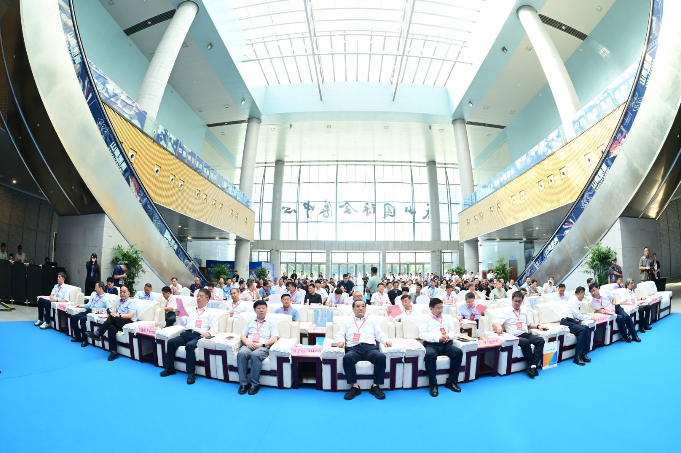
On the morning of July 20, 2026, the WAIC 2026 World Artificial Intelligence Conference Government Intelligence Innovation Forum was held in Shanghai. The forum, with the theme of "Digital Intelligence Driven Innovation in Government Development", brings together representatives from relevant ministries, local governments, research institutions, and enterprises. It focuses on the deep integration of artificial intelligence and government scenarios, builds a communication platform, releases innovative achievements, and looks forward to development blueprints. Mao Zuokui, Deputy Director and First level Inspector of the Information Development Bureau of the Cyberspace Administration of China, Zhang Huixing, Deputy Director of the Data Resources Department of the National Data Bureau, and Shao Jun, Director of the Shanghai Data Bureau, attended the event and delivered speeches.
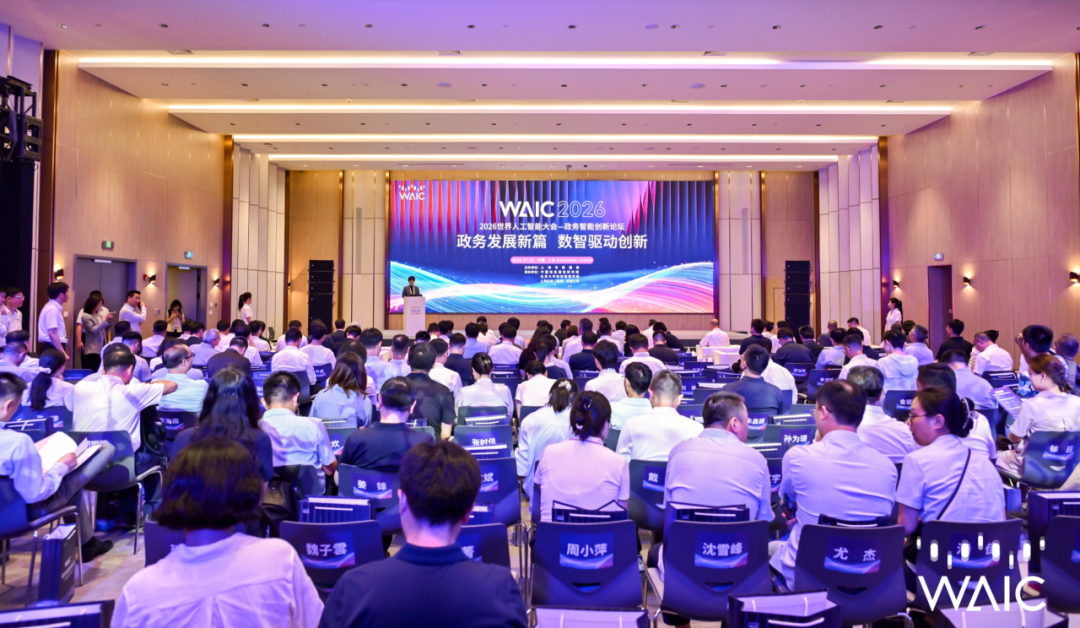
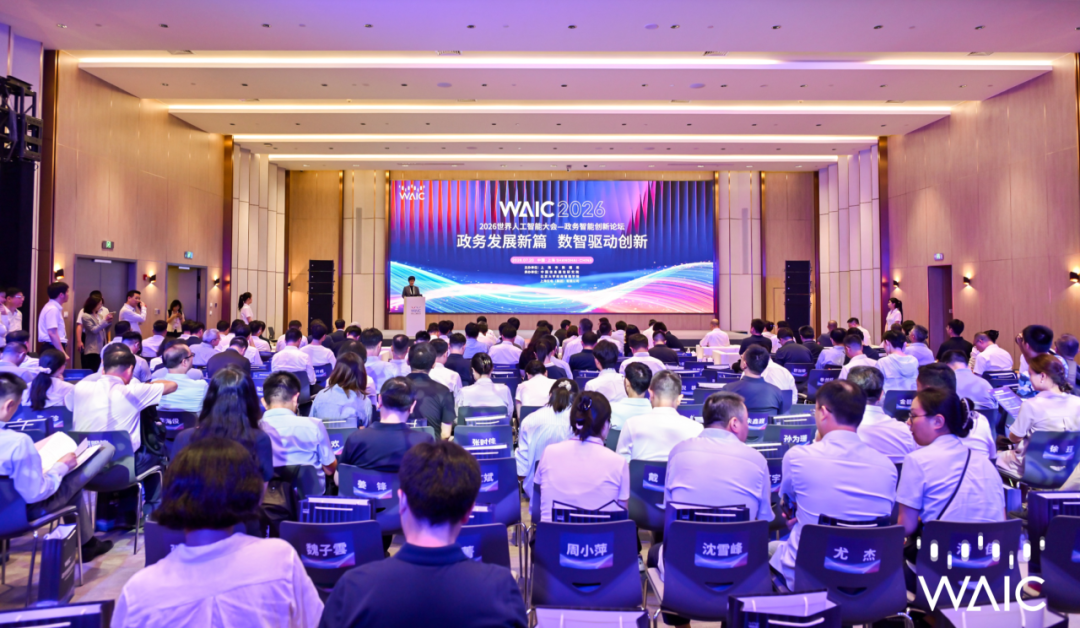
Focusing on the core directions of empowering government practice with artificial intelligence, government digitalization and security, government infrastructure construction, and government model operation and management, Fan Yida, Secretary of the Party Committee and Director of the Information Center of the Ministry of Civil Affairs, Wang Yuming, Deputy Director of the Public Technology Service Department of the National Information Center, Chen Zijian, Deputy Director of the Administrative Public Service Bureau of the Macao Special Administrative Region Government, Gao Tian, Deputy Director of the Shanghai Data Bureau, Yang Min, Executive Dean of the School of Computing and Intelligent Innovation at Fudan University, Zhang Baoyu, Chief Expert of China Telecom Group and Deputy General Manager of China Telecom Digital Government Technology Co., Ltd., and Liu Shanquan, Vice President of Shanghai Yidian (Group) Co., Ltd., delivered keynote speeches.
The forum focuses on publishing a series of important achievements related to government intelligence. Wei Ran, Chief Engineer of China Academy of Information and Communications Technology (CAICT), released and interpreted the "Research Report on the Development of Government Intelligent Agents (2026)". The report conducts in-depth exploration of the latest progress, practical characteristics, and evolution trends of government intelligent agent development from the aspects of technology application, international perspective, domestic practice, development challenges, and evaluation system. It sorts out the main characteristics and practical directions of government intelligent agent development, providing reference for scientific planning, standardized construction, and steady promotion of government intelligent agent applications.
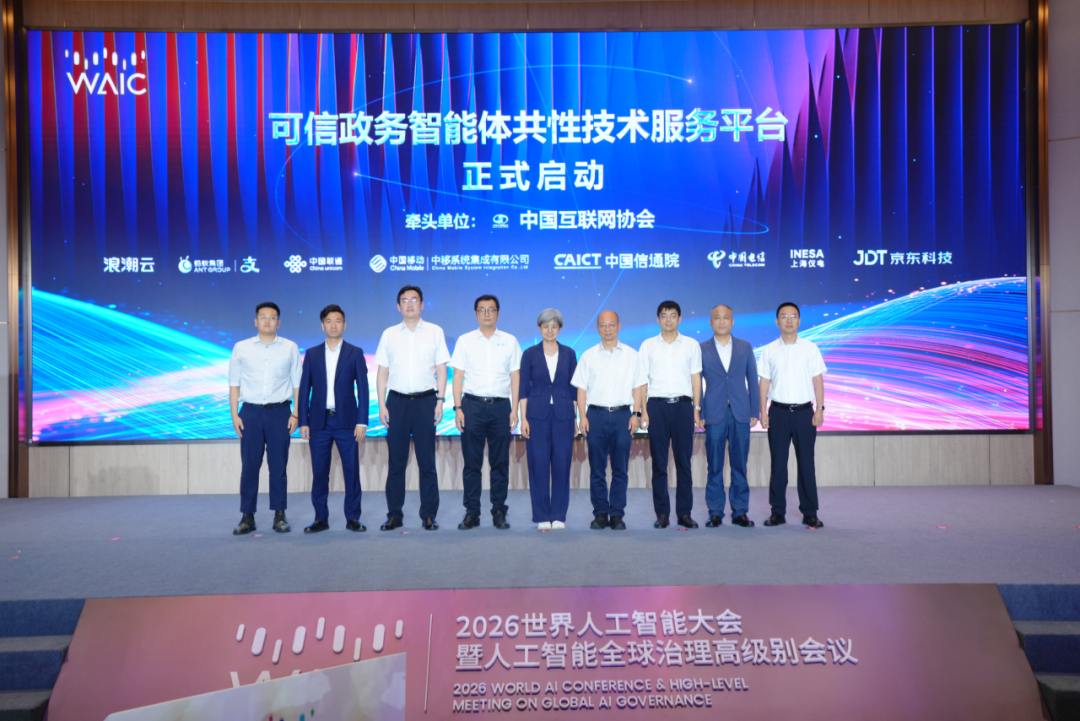
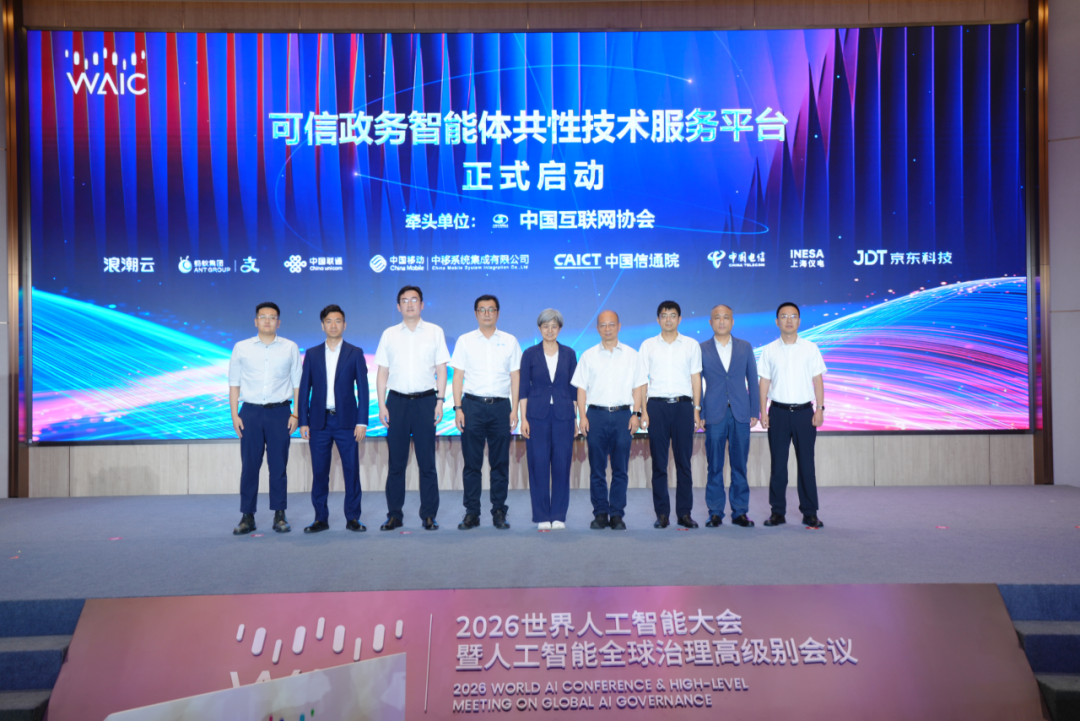
Internet Society of China, together with 8 research institutions and enterprises such as the Chinese Academy of Information Technology and Communications, launched the "Common Technology Service Platform for Trusted Government Agents", based on the needs of digital, intelligent and collaborative reform of government affairs, focusing on the pain points of "difficult reuse, difficult development, and difficult interconnection" of government agents, to provide the whole process common services for the development, deployment, invocation, interconnection, iteration, and supervision of government agents, to help government agents implement standardization, scale, and security, and to enable government services to improve quality and efficiency, and build together intensively.
In addition, Shanghai Qiji Zhifeng Intelligent Technology Co., Ltd. has launched the "Government Intelligent Cockpit"; The School of Government Management at Peking University has launched the "Smart Governance Future · Academic Navigation Plan" activity. The above achievements provide an observation window for the latest progress of government intelligence in product development, industry research, academic exchanges, and platform construction.
This forum has set up a "Demonstration of Typical Scenarios Empowered by Artificial Intelligence in the Field of Government Affairs" segment, with five representatives from Heilongjiang Provincial Government Big Data Center, Shanghai Criminal Science and Technology Research Institute, Wuxi Data Bureau of Jiangsu Province, Zhejiang Provincial Market Supervision Administration, and Shenzhen Municipal Government Service and Data Management Bureau focusing on typical scenarios such as government services, urban management, and market supervision. Through graphic and textual displays, system demonstrations, and other methods, they intuitively present the practical effects of artificial intelligence in reducing the burden and increasing efficiency of grassroots governance, and improving the quality and upgrading of government services.
In the important stage of deepening and implementing the construction of digital government empowered by artificial intelligence, this forum aims to consolidate consensus through professional exchanges, strengthen support with solid achievements, and test effectiveness through real-life applications, presenting new perspectives, progress, and practices in the innovative development of government intelligence.
Proofreading | Jingyan, Shanshan
Editor | Lingxiao