-
E-mail
ld@leadingoe.com
-
Phone
13379509417
-
Address
304, Building 2, Yiheng Tailai Industrial Park, Southeast Corner of Biyuan 3rd Road and Shanglinyuan 9th Road, High tech Zone, Xi'an City
Xi'an Liding Optoelectronics Technology Co., Ltd
Shortwave infrared imaging system: Penetrating the field of view, safeguarding driving safety
Date: 2025-07-28Read: 19
In the field of contemporary automotive design and configuration, enhancing the privacy protection of car windows has become a focus of attention for many car owners. The widespread use of dark car window film and privacy glass significantly reduces the possibility of directly observing the situation inside the car from the outside, effectively safeguarding the privacy rights of passengers. Whether on busy city streets or peaceful rural roads, this privacy protection measure creates a more comfortable and private space for drivers and passengers. However, the enhancement of privacy poses challenges to the safety detection of vehicle driving at certain critical traffic checkpoints.
At the critical node of traffic management and safety monitoring, staff need to accurately observe the condition inside the vehicle to determine whether the driver is engaged in behaviors that may affect driving safety, such as fatigue driving, illegal operations (such as answering or making phone calls, not wearing seat belts), etc. However, when the privacy of car windows is too high, ordinary visual observation and conventional camera shooting are difficult to penetrate this "barrier", making it difficult to detect these potential safety hazards in a timely manner. For example, at the rest area node of long-distance transportation, if it is impossible to accurately determine whether the driver is fatigued due to long-term driving, it is highly likely to cause a traffic accident due to lack of concentration after returning to the road. According to relevant statistical data, traffic accidents caused by undetected violations such as fatigue driving cause huge losses to society every year, including casualties and property damage.
In response to the pain points in this industry, we have launched a shortwave infrared imaging system andinfrared laserThe collaborative solution of active fill light device penetrates visual barriers with the power of technology, redefining the accuracy and efficiency of vehicle safety detection.
Shortwave infrared camera: Penetrating through special materialsThe Eye of Wisdom'
The short wave infrared (SWIR, 900-1700nm) band has magical optical penetration ability, which can effectively penetrate special film materials that traditional silicon-based sensors cannot recognize, and clearly present key information such as personnel movements and object contours inside the car.
1550nm laser fill light: a safe and seamless' invisible guardian '
The 1550nm wavelength laser, due to its' human eye safe wavelength 'characteristic, can provide uniform supplementary light for complex environments such as low light and backlighting in an imperceptible state. Compared to traditional visible light or 850nm infrared fill light schemes, 1550nm laser avoids sensitive areas of the human eye, eliminates light pollution interference, and has stronger penetration and resistance to environmental light interference, ensuring stable imaging in all weather and all scene conditions.
The following is a comparison of the penetration of automotive glass film captured by our company using a regular camera and a short wave infrared camera:
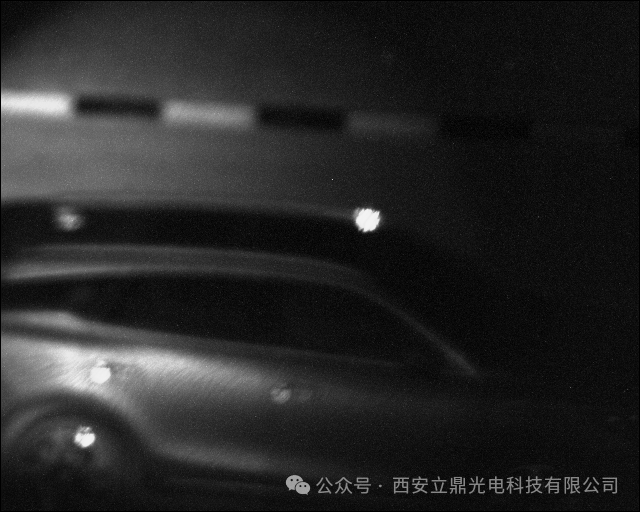
Ordinary camera observationAutomotive Glass Film+Laser fill light device shooting effect
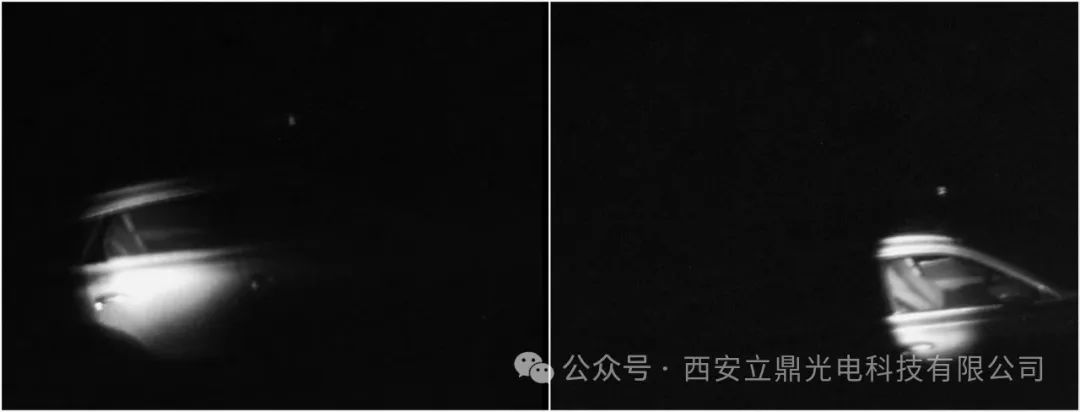
Short wave infrared imaging system shooting (at a distance of 100m)
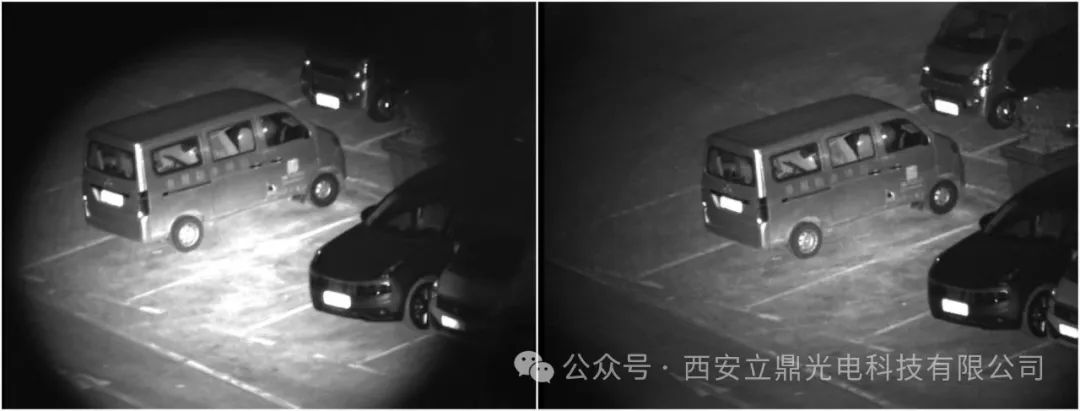
Short wave infrared imaging system shooting (at a distance of 200m)
By using this system, whether under strong sunlight during the day or in dimly lit environments at night, the situation inside the car can be effectively observed, effectively helping staff to accurately determine whether their driving status is safe and compliant. This technology is expected to be popularized in scenarios such as highway checkpoints, urban security checkpoints, and cross-border logistics channels. Interested partners can contact our company for more testing information.
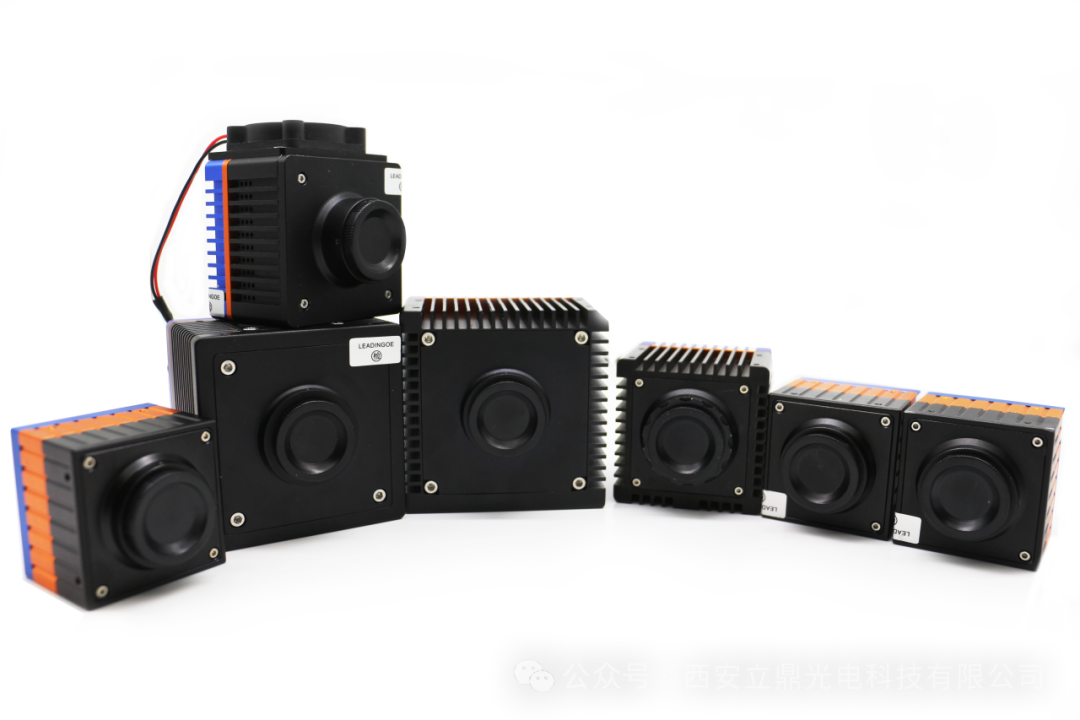

For more information, please contact Xi'an Liding Optoelectronics