-
E-mail
2880956071@qq.com
-
Phone
18702111592
-
Address
No. 253 Yulu Road, Jiading District, Shanghai
Ankerui Electric Co., Ltd
Keeping up with the development trend of zero carbon parks and building a solid defense line for low-carbon energy management
Date: 2025-11-20Read: 23
With the intensification of global climate change and energy crisis, carbon emissions have become one of the major challenges facing humanity. In order to achieve low-carbon development, countries are actively exploring sustainable energy transformation and carbon neutrality paths. As an important component of urban development, parks also bear the responsibility of reducing carbon emissions, improving energy efficiency, and promoting green growth. As a new type of park model, zero carbon parks aim to achieve a balance between energy consumption and carbon emissions within the park. By adopting clean energy, energy-saving technology, energy storage technology, carbon capture and utilization technology, and other means, the energy system in the park can achieve self-sufficiency and carbon recycling, thereby achieving zero or negative carbon emissions. A zero carbon park is not only beneficial for mitigating global climate change, enhancing the competitiveness and attractiveness of the park, but also for promoting the upgrading and innovation of industries within the park, improving the quality of life and happiness of residents and businesses within the park.
1. Overview of Zero Carbon Park
1.1 Definition of Zero Carbon Park
Zero carbon park is a park model that aims to achieve a balance between energy consumption and carbon emissions within the park. By adopting clean energy, energy-saving technology, energy storage technology, carbon capture and utilization technology, and other means, the park achieves self-sufficiency and carbon recycling of the energy system, thereby achieving zero or negative carbon emissions.
1.2 The Importance of Zero Carbon Park Development
The development of zero carbon parks is of great significance for addressing global climate change and promoting sustainable development, mainly reflected in the following aspects:
① Beneficial for reducing greenhouse gas emissions and mitigating global climate change, zero carbon parks can effectively reduce their dependence on fossil fuels and greenhouse gas emissions by achieving a balance between energy consumption and carbon emissions, contributing to the response and control of global climate change.
② Beneficial for improving energy efficiency and ensuring energy security. Zero carbon parks can improve the efficiency and reliability of the energy system within the park, reduce energy loss and waste, and ensure the balance and stability of energy supply and demand by adopting clean energy, energy-saving technologies, energy storage technologies, and other means,
③ Beneficial for promoting green growth and enhancing economic competitiveness. By introducing and applying advanced zero carbon technologies, zero carbon parks can promote the upgrading and innovation of industries within the park, increase emerging industries and employment opportunities, and improve the economic and social benefits of the park.
④ Beneficial for improving the ecological environment and enhancing the quality of life. Zero carbon parks can reduce pollutant emissions, improve air and water quality, protect and restore ecosystem services, and enhance the quality of life and happiness of residents and businesses within the park by achieving carbon recycling.
2. Development status and existing problems of zero carbon parks
2.1 Development Status of Zero Carbon Parks
At present, there have been some successful cases and experiences of zero carbon parks internationally, such as Bedford Zero Carbon Park in the UK, Clean Technology Park in Singapore, and Kitakyushu Smart Community in Japan. These zero carbon parks have achieved a balance or negative balance between energy consumption and carbon emissions within the park by adopting different zero carbon technologies and strategies, while also achieving good economic and social effects.
2.2 Problems in the Development of Zero Carbon Parks
Although zero carbon parks have made certain progress and achievements both internationally and domestically, the construction and development of zero carbon parks still face many challenges and problems, mainly including the following aspects:
In terms of the application of zero carbon technology: on the one hand, the cost-effectiveness, reliability, and other aspects of zero carbon technology still need to be improved, which limits the promotion and application of zero carbon technology; On the other hand, there is still a lack of scientific methods and standards for the selection and combination of zero carbon technologies, resulting in inadequate configuration and optimization of zero carbon technologies.
In terms of planning and design of zero carbon parks: on the one hand, there is still a lack of unified standards and guidelines for the planning and design of zero carbon parks, resulting in differences and inconsistencies in planning and design among different regions and types of zero carbon parks; On the other hand, the planning and design of zero carbon parks still lack systematicity and dynamism, making it difficult for them to adapt to the internal and external changes in the park.
In terms of policy support and regulatory formulation: On the one hand, policy support and regulatory formulation are not yet perfect and coordinated, resulting in a lack of effective incentives and constraints for the construction and development of zero carbon parks; On the other hand, policy support and regulatory formulation still lack specificity and flexibility, making it difficult for the construction and development of zero carbon parks to meet the needs of different regions and types.
In terms of enterprise participation and market mechanisms: on the one hand, enterprise participation and market mechanisms are not sufficiently incentivized and effective, resulting in a lack of sufficient entities and motivation for the construction and development of zero carbon parks; On the other hand, the lack of fairness and transparency in enterprise participation and market mechanisms has led to uneven competition and information asymmetry in the construction and development of zero carbon parks.
3What solutions can Ankerui provide for the construction of zero carbon parks
As a professional provider of smart energy management solutions, Ankrui can provide solutions for the construction of zero carbon parks, including carbon metering meters, distributed photovoltaics, distributed energy storage, orderly charging of electric vehicles, and park smart energy management platforms. It provides an integrated solution of "cloud edge end" for the construction of zero carbon parks, and uses the "cloud edge collaboration" smart strategy to help parks fully utilize new energy and clarify the roadmap for reducing carbon costs and benefits.
3Carbon meter
Carbon meters are a new type of measuring tool that emerged to help us better understand and calculate the carbon emissions of enterprises in electricity use. Its working principle is to dynamically calculate and update the electricity carbon factor, which is the average carbon emissions per kilowatt hour, based on actual electricity consumption measurement data and factors such as usage conditions and regions. This value is updated in real-time and can truly reflect the carbon emissions of the enterprise's electricity use. The emergence of carbon meters is of great significance to enterprises. With these data, enterprises can track the carbon emissions during the product production process, optimize the power structure based on carbon emissions, and develop more green and low-carbon production models.
The AEM96 three-phase multifunctional carbon meter integrates three-phase power parameter measurement, time-sharing energy measurement, and carbon emission statistics. It integrates carbon settlement function based on the electricity carbon conversion factors of different operating conditions, including 12 sets of carbon emission values and corresponding carbon emission factors. It can calculate and provide real-time carbon emissions for enterprise production electricity, making carbon emissions as easy to record as electricity. With the Ankerui carbon asset management platform, it greatly simplifies the carbon emission statistics work of enterprises.
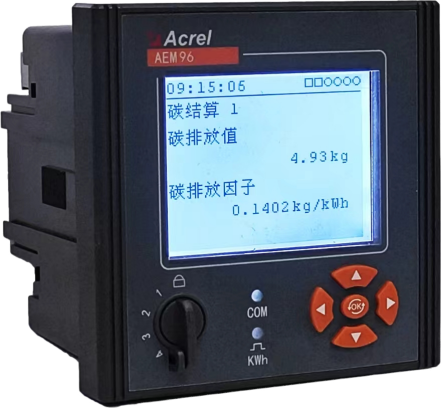
Figure 1 AEM96 Three phase Multi functional Carbon Meter
3Distributed Photovoltaic Solutions
With the development of new power systems and the successive issuance of the National Energy Development and Reform Commission's New Energy Regulations [2025] No. 7 and Development and Reform Commission's Price [2025] No. 136, the construction of distributed photovoltaics is increasingly facing issues related to grid connection, operational safety, and energy management, and cannot be used immediately after construction. The power supply department has requirements for the grid protection, stability control system, power quality, and communication with dispatch of distributed photovoltaic power plants.
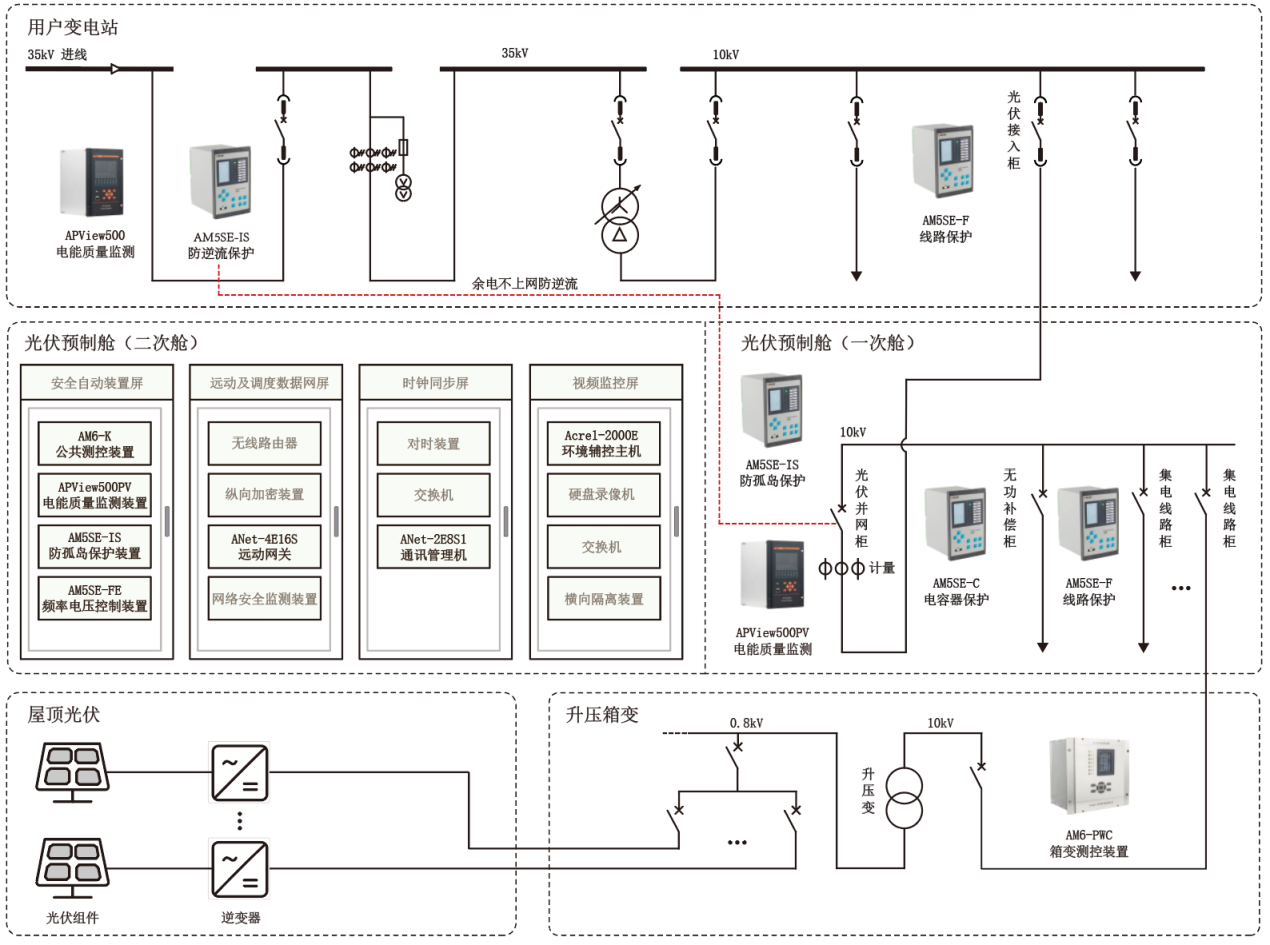
Figure 2 Distributed Photovoltaic Construction System Diagram
According to relevant standards and specifications such as the "Technical Regulations for Distributed Power Grid Access" and the "Interim Measures for Power Quality Management", the grid connection points of photovoltaic power stations need to monitor the power quality of the grid connection points;
Install anti islanding protection devices at grid connection points in accordance with the "Technical Regulations for Distributed Power Grid Access" to prevent islanding operation of photovoltaic power plants;
Installation of State Grid energy meters and remote control devices at grid connection points for uploading photovoltaic power generation data, to be determined by the local power supply department;
For systems that are self used and do not have surplus electricity connected to the grid, anti backflow protection devices need to be installed at the public connection points to operate, cut off, or adjust the photovoltaic inverters. Different control strategies can be used according to requirements.
Configure State Grid vertical encryption authentication device, forward/reverse isolation device, network security monitoring device, remote control gateway, etc., and accept power grid dispatch according to the data format and security requirements of the power grid;
The photovoltaic monitoring system needs to collect data from inverters, box transformers, protection and measurement devices, power quality monitoring devices, anti islanding protection, power metering, etc. in the station, and monitor them in real time at the local workstation. The data also needs to be uploaded to the power grid dispatch system to accept power grid dispatch;
According to the needs of the local power supply department, configure optical power prediction system, AGC/AVC system, microcomputer error prevention system, "four possible" system, etc., and upload data to the dispatch system.
Secondary equipment related to distributed photovoltaic construction:
| Application scenarios | picture | model | function |
| 10kV incoming cabinet |
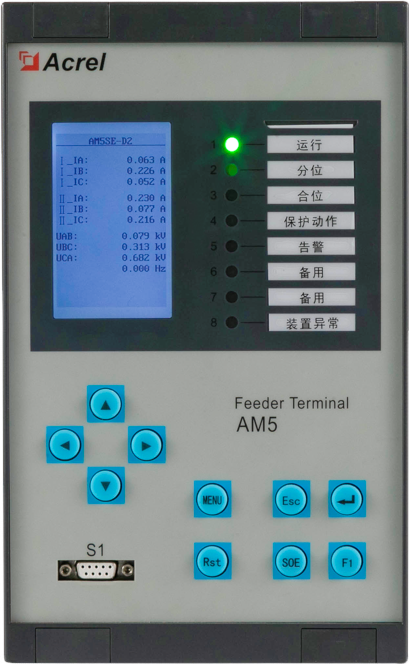
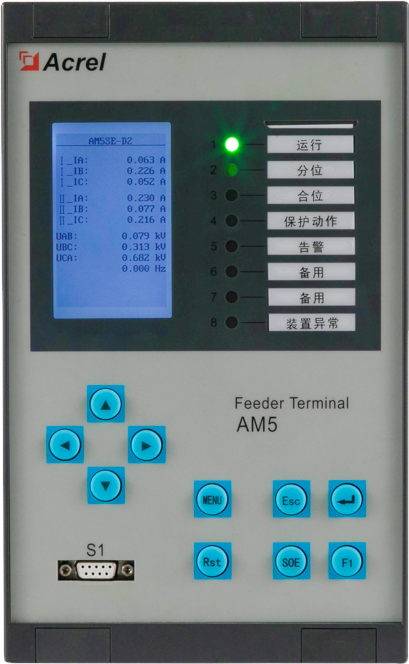
| AM5SE-FBF Line Protection Device | Three stage overcurrent protection, two-stage zero sequence overcurrent protection, synchronous/no voltage three-phase primary reclosing, low-frequency load shedding and other protection functions; Bidirectional overcurrent protection can be set, with different directional overcurrent protection settings. |
|
| APView500BF power quality monitoring device | Collect incoming voltage and mains current to monitor the power quality on the mains side, including steady-state data such as voltage deviation, frequency deviation, 2-63rd harmonic, 0.2-62.5 harmonic, voltage fluctuation, and voltage flicker; Voltage dip, voltage rise, short-term interruption; Voltage transient and current transient. | |
| 10kV transformer outgoing cabinet |
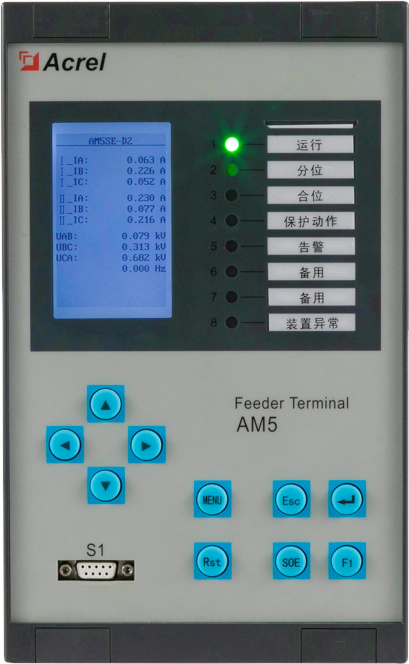
| AM5SE-TBF Transformer Protection Device | Three stage overcurrent protection, two-stage zero sequence overcurrent protection, overload protection, high temperature and over temperature protection, gas protection and other protection functions; Collect signals such as circuit breaker opening and closing positions, handcart working test positions/grounding knife switch positions; Remote control opening and closing function of circuit breakers; Measure the three-phase voltage parameters U, I, P, Q, PF, f, Ep, Eq, etc. of the circuit. |
| 10kV photovoltaic grid connected cabinet |
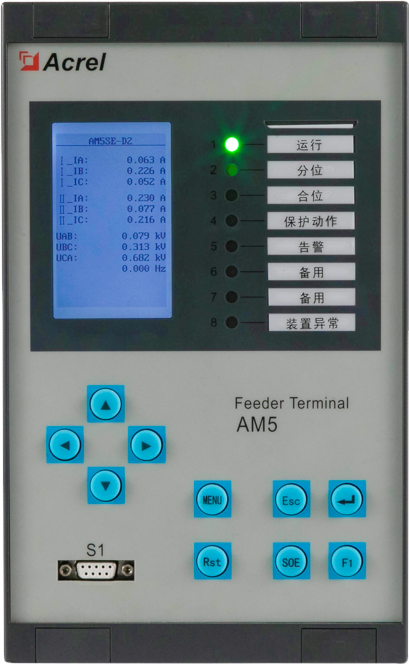
| AM5SE-ISBF anti islanding protection device | Low voltage protection, automatic closing with voltage detection, overvoltage protection, low-frequency load shedding, high-frequency tripping, frequency sudden change tripping, three-stage overcurrent protection, two-stage zero sequence overcurrent protection, synchronous/non voltage three-phase primary reclosing protection function; Collect signals such as circuit breaker opening and closing positions, handcart working test positions/grounding knife switch positions; Remote control opening and closing function of circuit breakers; Measure the three-phase voltage parameters U, I, P, Q, PF, f, Ep, Eq, etc. of the circuit. |
| | APView500PVBF power quality monitoring device | Collect grid connected cabinet voltage and grid connected cabinet current to monitor the power quality on the photovoltaic power generation side, mainly including steady-state data such as voltage deviation, frequency deviation, 2-63rd harmonic, 0.2-62.5 harmonic, DC component, voltage fluctuation, voltage flicker, etc; Voltage dip, voltage rise, short-term interruption. | |
| Automatic device cabinet |
| AM5-FEBF frequency and voltage emergency control device | Collecting bus voltage to achieve multiple rounds of low-frequency load shedding and multiple rounds of low-voltage load shedding to ensure that frequency and voltage are restored to normal values. |
| AM5-FABF fault disconnection device | Monitor parameters such as voltage and current at the grid connection point. When a fault is detected, the device will automatically disconnect based on the type and location of the fault, trip the grid connected circuit breaker, and ensure that the fault does not further escalate. | ||
| Boosting box transformer |
| AM6-PWCBF Box Transformer Measurement and Control Device | Integrated protection, measurement and control, and communication device, supporting three-stage current protection, zero sequence current protection, overvoltage protection, and low-voltage protection; Zero sequence overvoltage protection, as well as non electric quantity protection, can measure three-phase current, three-phase voltage, frequency, power factor, active power, and reactive power. It has two self-healing fiber optic communication interfaces and can form a fiber optic ring network. |
| monitoring software |
| Acrel-1000DPBF Integrated Automation System for Photovoltaic Power Station | Distributed photovoltaic power station integrated automation system, including telemetry, remote signaling, and remote control AGC/AVC、 Optical power prediction, anti backflow protection monitoring, scheduling data docking, etc., meet the requirements of observability, measurability, controllability, and adjustability. |
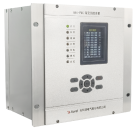
3Distributed energy storage solutions
Energy storage systems, as reservoirs and transfer stations for photovoltaic power generation, play an important role in the process of absorbing photovoltaic power generation and are indispensable in the construction of zero carbon parks.
According to the requirements of GB/T 36547-2018 "Technical Regulations for Electrochemical Energy Storage Systems Connected to the Power Grid", the microcomputer protection configuration of the energy storage system requires: AM5-IS anti islanding protection should be configured at the grid connection point of the energy storage power station. In case of unplanned islanding, it should be activated within 2 seconds to disconnect the energy storage power station from the power grid.
Regarding the setting of energy storage system metering points: If the energy storage system is connected to the internal power grid of the park, the metering points are set at the grid connection point.
The energy storage unit should have insulation monitoring function. When the insulation of the energy storage unit is low, it should be able to issue an alarm and/or trip signal to notify the energy storage converter and computer monitoring system. If the BMS or PCS does not have insulation monitoring function, a separate DC insulation monitoring device can be configured.
The power quality of the energy storage system connected to the public power grid through 10kV should meet the requirements of GB/T19862 with a power quality monitoring device. When the power quality indicators of the energy storage system do not meet the requirements, an online power quality monitoring device should be configured to monitor the power quality of the grid connection point.
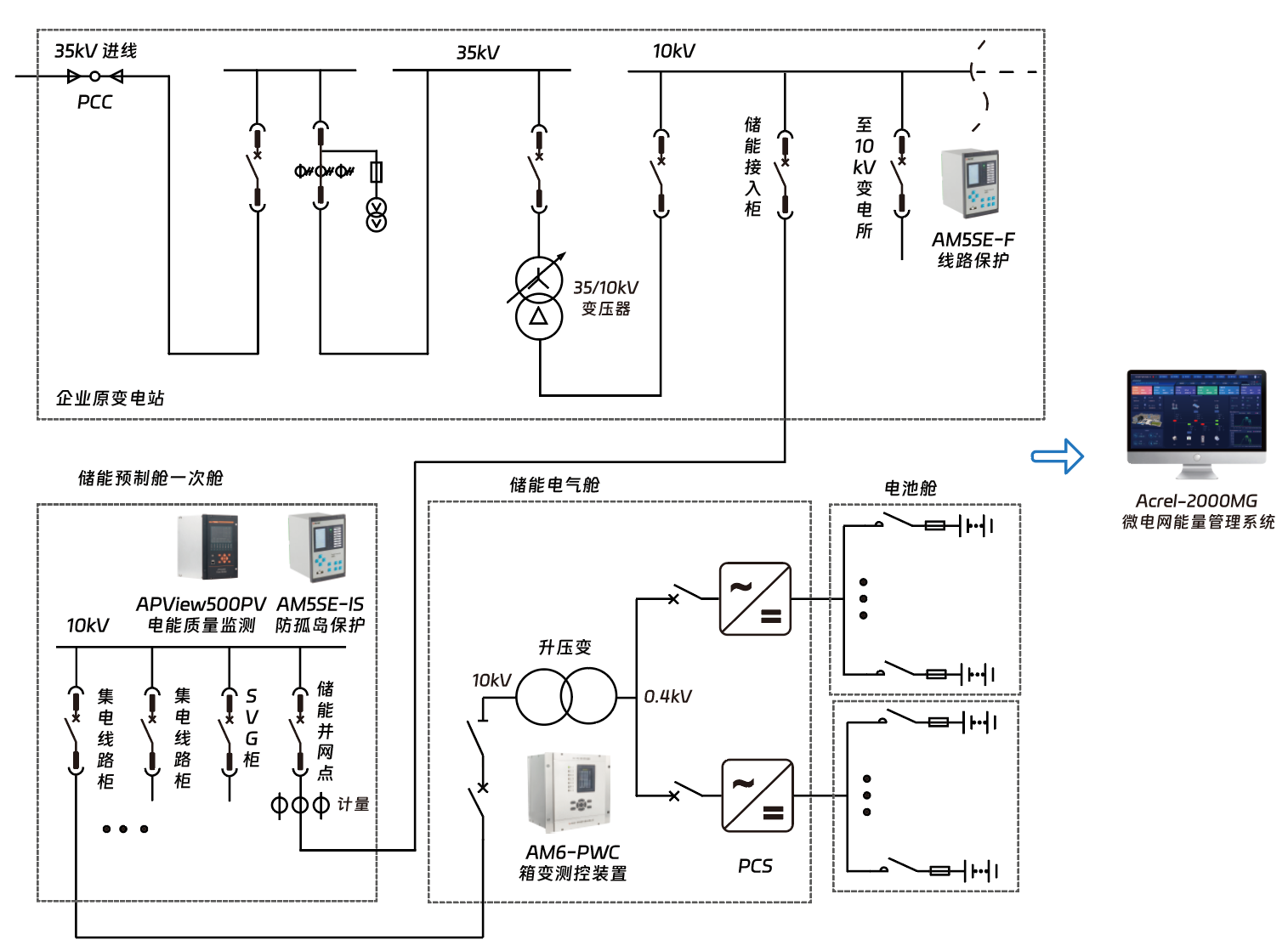
Figure 3 Energy Storage System Diagram
Selection of secondary equipment for energy storage system:
| name | picture | model | function | application |
| Microcomputer protection device |
| AM5SE-ISBF | Anti islanding protection device, which disconnects from the external power grid after a power outage and has anti backflow monitoring and protection functions. | Consolidation point or property boundary point |
| Power quality monitoring device |
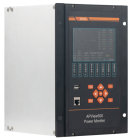
| APView500PVBF | Real time monitoring of power quality such as voltage deviation, frequency deviation, three-phase voltage imbalance, voltage fluctuations and flicker, harmonics, etc., recording various power quality events, and locating disturbance sources. | point of common coupling (PCC) |
| Smart Meter |
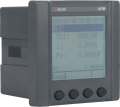
| APM520BF | It has full power measurement, harmonic distortion rate, voltage qualification rate statistics, time-sharing energy statistics, switch input and output, analog input and output. | Mainly used for high and low voltage power monitoring and power management |
| DC energy meter |
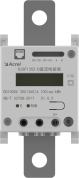
| DJSF1352-D300BF Up to a maximum current of 300A | It can measure voltage, current, power, and forward and reverse electrical energy in DC systems. | DC metering |
|
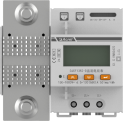
| DJSF1352-D600BF Up to 600A maximum current | |||
| DC insulation monitoring |
| AIM-D100-THBF | Monitor the insulation condition of the DC system | Installed on the positive and negative terminals of the DC bus of the energy storage battery |
| Energy storage control unit |
| ANet-ESCUBF | EMS device suitable for energy storage integrated cabinets (boxes), can be used for energy storage bodies such as lithium iron phosphate batteries and vanadium flow batteries, and can be integrated with battery management systems (BMS), energy storage inverters (PCS), power metering, power environment, and fire energy storage cabinets for unified data collection and storage. It has functions such as monitoring and control, energy coordination, linkage protection, economic optimization and efficiency improvement. | Energy storage integrated cabinet |
| Coordination controller |
| ACCU-100BF | In addition to intelligent gateway data collection, protocol conversion, storage and other functions, it also has a new energy usage strategy control function, which can control photovoltaic output, energy storage charging/discharging, charging pile charging control and load adjustment according to preset logic, and interact with the cloud platform to respond to cloud strategy configuration. | Microgrid photovoltaic energy storage and charging Local strategy regulation |
| Energy management of energy storage cabinet system | Acrel-2000ESBF | The energy management of energy storage cabinets includes interface display, statistical analysis, charge and discharge strategy control, operation status monitoring, battery information management, and fault alarm. | Energy management system configured on the energy storage cabinet | |
| Microgrid energy management system | Acrel-2000MGBF | Orderly management and optimized control of the sources (mains power, distributed photovoltaics, micro wind turbines), networks (internal distribution networks), loads (fixed and adjustable loads), energy storage systems, and new energy vehicle charging loads of enterprise microgrids, to achieve flexible interaction between source, network, load, and storage resources under different objectives, and to increase the stable operation of the system under multi strategy control. | Locally deployed energy management system | |
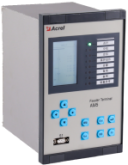
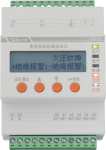
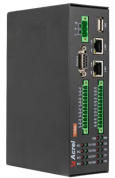
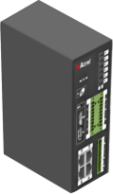
3. 4 Ordered Charging Solution
Replacing oil and gas with electricity is an essential process in the energy transformation of zero carbon parks, and charging and swapping stations to supplement energy for new energy vehicles are also necessary facilities. The Ankrui ordered charging system is based on predictive algorithms, which can achieve the monitoring, scheduling, and management of enterprise transformer load rate, photovoltaic power generation, and charging load demand combined with charging piles, improve photovoltaic power consumption, enhance the operational reliability of the park's microgrid, and reduce charging costs.

Figure 4 Ordered Charging System Diagram
Equipment selection plan for orderly charging system:
| name | picture | model | function | application |
| charging pile |
| AEV200-DC240MBF | The split type DC charging cabinet adopts a design of one cabinet with four piles, with a maximum charging power of 240kW per pile, a charging voltage of 150V-1000V, and a maximum current of 250A per pile | Fast charging station |
| DC charging pile |
| AEV200-DC160SBF | Dual guns, input voltage 380V, up to a maximum charging power of 160kW | Fast charging station |
| AEV200-DC120SBF | Dual guns, input voltage 380V, up to a maximum charging power of 120kW | Fast charging station | ||
| AEV200-DC120DBF | Single gun, input voltage 380V, up to a maximum charging power of 120kW | Fast charging station | ||
| AEV200-DC080DBF | Single gun, input voltage 380V, up to a maximum charging power of 80kW | Fast charging station | ||
| AEV200-DC060DBF | Dual guns, input voltage 380V, up to a maximum charging power of 60kW | Fast charging station | ||
|
| AEV200-DC040DBF | Single gun, input voltage 380V, up to a maximum charging power of 40kW | Small DC | |
| AEV200-DC030DBF | Single gun, input voltage 380V, up to a maximum charging power of 30kW | Small DC | ||
| AC charging pile |
| AEV200-AC007DBF | Single gun, input voltage 220V, up to a maximum charging power of 7kW | slow charging |
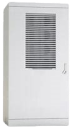



3. 5 Carbon Asset Management Plan
AcrelEMS3.0 Smart Energy Management Platform adopts a carbon emission accounting factor database for carbon asset management, which complies with the quantification and reporting guidelines for greenhouse gas emissions and removals at the organizational level of SO14064-1:2018. It provides functions such as carbon inventory, carbon quota management, carbon emission analysis, carbon flow, carbon inventory report, carbon trading record, etc. for the park, helping the park establish a carbon emission statistics, accounting, reporting, and verification system.

Figure 5 Declaration of Compliance Assessment for Carbon Emission Accounting
36 Microgrid Coordination Controller
The ACCU-100 microgrid coordination controller mainly collects data from photovoltaic inverters, energy storage systems, transformer loads, etc. Based on the set logic of new energy usage, it constructs local control strategies and interacts with cloud data to control the output and power demand of energy storage devices, distributed energy, and adjustable load devices. It can also perform photovoltaic storage replacement based on economic benefit models while meeting scheduling requirements, respond to cloud strategy configuration, and fully absorb and utilize new energy.

Figure 6: Combination of Three Level Control Strategies for Cloud Edge End
The ACCU-100 microgrid coordination controller has the following functional features:
Data collection: Supports real-time operation of multiple channels such as serial port and Ethernet, meeting the requirements for various wind and photovoltaic inverters, energy storage and other equipment access;
Communication Management: Supports Modbus RTU、Modbus TCP、IEC 60870-5-101、IEC 60870-5-103、IEC 60870-5-104、MQTT According to the communication protocol, cloud edge collaboration (combined with Ankerui Smart Energy Management Cloud Platform for remote operation and maintenance), OTA upgrade, on-site/remote switching, and local human-machine interaction (optional) can be achieved;
Edge computing: flexible alarm threshold setting, active uploading of alarm information, data consolidation calculation, logic control, breakpoint continuation, data encryption, 4G routing;
Strategy management: anti backflow, planning curve, peak shaving and valley filling, demand control, active/reactive power control, photovoltaic energy storage coordination, etc., and support strategy customization;
System security: User permissions designed based on an untrusted model to prevent unauthorized users from infiltrating; Based on data encryption and data security verification technology, data calibration and tamper proof mechanisms are adopted to achieve data authentication and traceability;
Operational safety: Collect and analyze signals and measurement data from the entire station, including batteries, temperature control, and fire protection, to achieve operational safety warning and prediction.
4AcrelEMS 3.0 Smart Energy Management Platform - Park level Microgrid Energy Management
In the construction of zero carbon or near zero carbon parks, the combination of "photovoltaic+energy storage+charging" is inevitably applied to the park's power grid. With the increasing proportion of new energy, the management of the park needs to rely on smart energy management platforms to achieve carbon asset management, new energy strategy control, orderly charging management, energy consumption analysis, equipment operation and maintenance, and so on. The AcrelEMS3.0 smart energy management platform can help parks effectively manage energy, and its functions include:
Comprehensive monitoring: Implement functions such as collection, monitoring, visualization display, abnormal alarm, event query, and report statistics of substation, photovoltaic, energy storage, load, charging pile, and environmental data in the park;
Intelligent control: Collaborative photovoltaic, energy storage, load and other energy entities, dynamically planning intelligent strategies to achieve coordinated control of energy storage and photovoltaic, such as planning curves, peak shaving and valley filling, anti backflow, new energy consumption, demand control, etc;
Energy analysis: equipped with microgrid energy consumption and benefit analysis, microgrid economic operation analysis, multi-dimensional electricity analysis, and conducting daily, monthly, and annual energy report statistics;
Carbon Asset Management: The enterprise's carbon asset management function includes carbon inventory, carbon quota management, carbon emission analysis, carbon flow, carbon inventory report, carbon trading records, and more.
Power prediction: Based on historical photovoltaic output power and historical numerical weather data, combined with numerical weather forecast data and the geographical location of photovoltaic power generation units, a deep learning algorithm is used to establish a prediction model library to achieve short-term and ultra short time power prediction of photovoltaic power generation, and error analysis is conducted; At the same time, for all loads within the microgrid, based on historical load data, the load power curve is predicted through big data analysis algorithms.
Optimization scheduling: Based on the results of distributed energy generation forecasting and load forecasting, combined with factors such as time of use electricity prices, grid interaction power, and energy storage constraints, an optimization model is established with the goal of low electricity costs. Deep learning algorithms are used to analyze the power plan of microgrid operation. The system decomposes the power plan to achieve optimal control of photovoltaic, energy storage, and charging piles.

Figure 7 AcrelEMS3.0 Smart Energy Management Platform
5. Conclusion
A zero carbon park is not a single emission reduction unit, but a systematic project that integrates energy transformation, industrial upgrading, technological innovation, and governance reform. It is a key lever for achieving the "dual carbon" (peak carbon emissions and carbon neutrality) goals. Its planning and construction require the rational use of tools and energy management software to achieve energy utilization. In the future, with the construction of more zero carbon parks, they will not only become the "green business card" of regional economy, but also one of China's core competitiveness in participating in global climate governance.