-
E-mail
2881964936@qq.com
-
Phone
13774430992
-
Address
No. 253 Yulu Road, Jiading District, Shanghai
Product Categories
Ankerui Electric Co., Ltd


Communication power monitoring sensor
NegotiableUpdate on 01/07
- Model
- Nature of the Manufacturer
- Producers
- Product Category
- Place of Origin
Overview
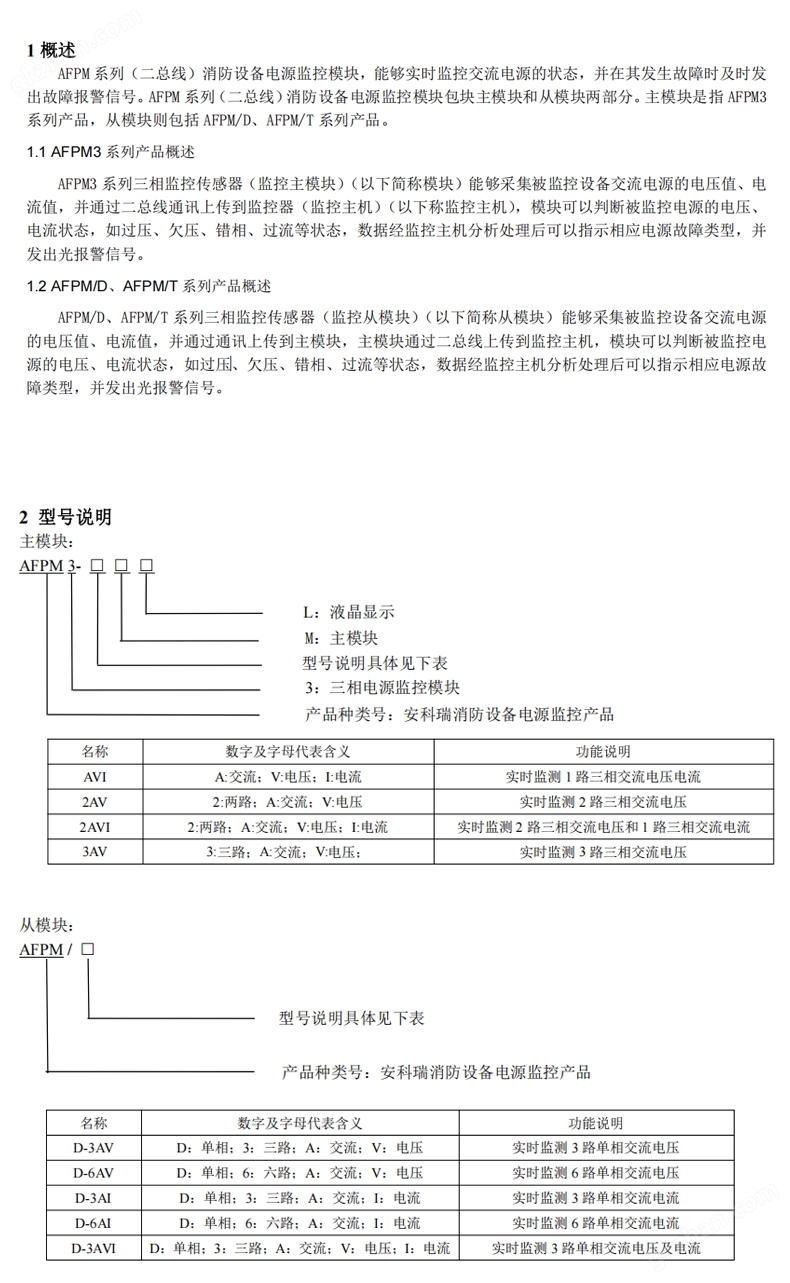
The communication power monitoring sensor can collect the voltage and current values of the AC power supply of the monitored device, and upload them to the monitor (monitoring host) (hereinafter referred to as the monitoring host) through two bus communication. The module can determine the voltage and current status of the monitored power supply, such as overvoltage, undervoltage, phase error, overcurrent, etc. After the data is analyzed and processed by the monitoring host, it can indicate the corresponding power supply fault type and issue a light alarm signal.
Product Details
Function of Communication Power Monitoring Sensor
In communication power systems, sensors play a crucial role as front-end measuring components. They can monitor the operating status of power equipment in real time, such as whether the voltage and current are stable, whether the temperature and humidity are suitable, etc., and convert these non electrical physical quantities into electrical signals for subsequent monitoring units to process and analyze. This helps to detect abnormal situations in power equipment in a timely manner, prevent the occurrence of faults, and ensure the stable operation of the communication system.




Communication power monitoring sensorSelection and Installation
When selecting communication power sensors, the following factors need to be considered:
Measurement range: Ensure that the measurement range of the sensor can cover the expected range of changes in the measured physical quantity.
Accuracy level: Select the appropriate accuracy level based on system requirements to avoid cost increases or measurement inaccuracies caused by excessively high or low accuracy.
Output signal type: Ensure that the output signal type of the sensor matches the input interface of the subsequent processing system.
Work environment: Consider factors such as the working temperature range of the sensor, compatibility of the environmental medium, and protection level to ensure that the sensor can work normally in the application environment.
When installing communication power sensors, the following points should be noted:
Installation location: Choose a location that can effectively sense the physical quantity of the target for installation, avoiding installation in places where temperature, humidity, stray light, impact, etc. exceed the specified range.
Installation method: Choose a simple and reliable installation method based on the mechanical interface and installation method of the sensor, such as threaded installation, flange installation, etc.
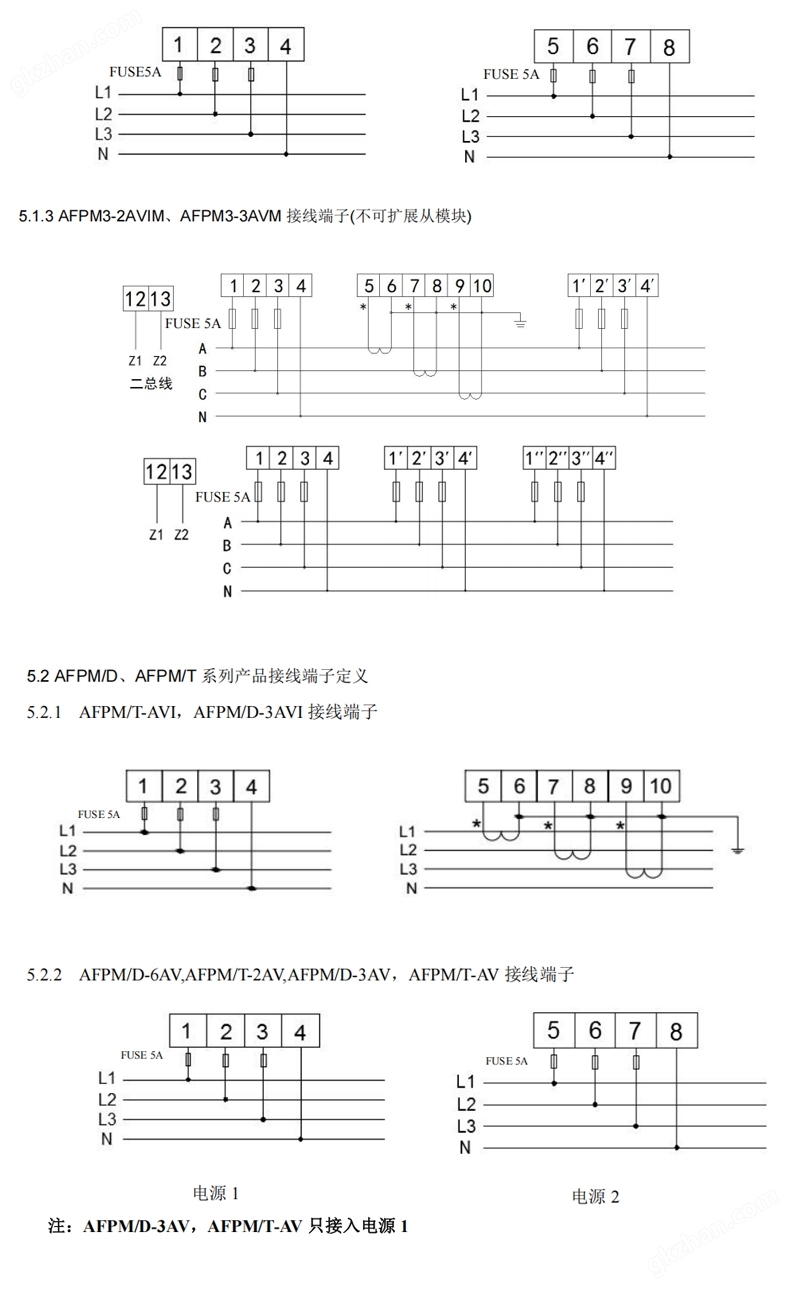
Signal line connection: Ensure that the signal line is connected correctly and firmly, avoiding signal interference or loss.
Similar Product Recommend


